
Why the 1967 Pontiac GTO Still Wins the Reliable Muscle Car Hunt
I’ve spent enough weekends kicking tires at used-car lots to know the dream can turn into a headache fast. You save, you search, you finally find the muscle car that makes your pulse jump — and then the rear main seal starts marking its territory. No joke, that fear is why I care more about reliability than raw horsepower when I’m shopping in 2026. And after digging through the history, the specs, and the survivor-car stories that keep circulating, I keep landing on the same answer: the 1967 Pontiac GTO is still the most reliable classic muscle car I’d trust with a long weekend drive.
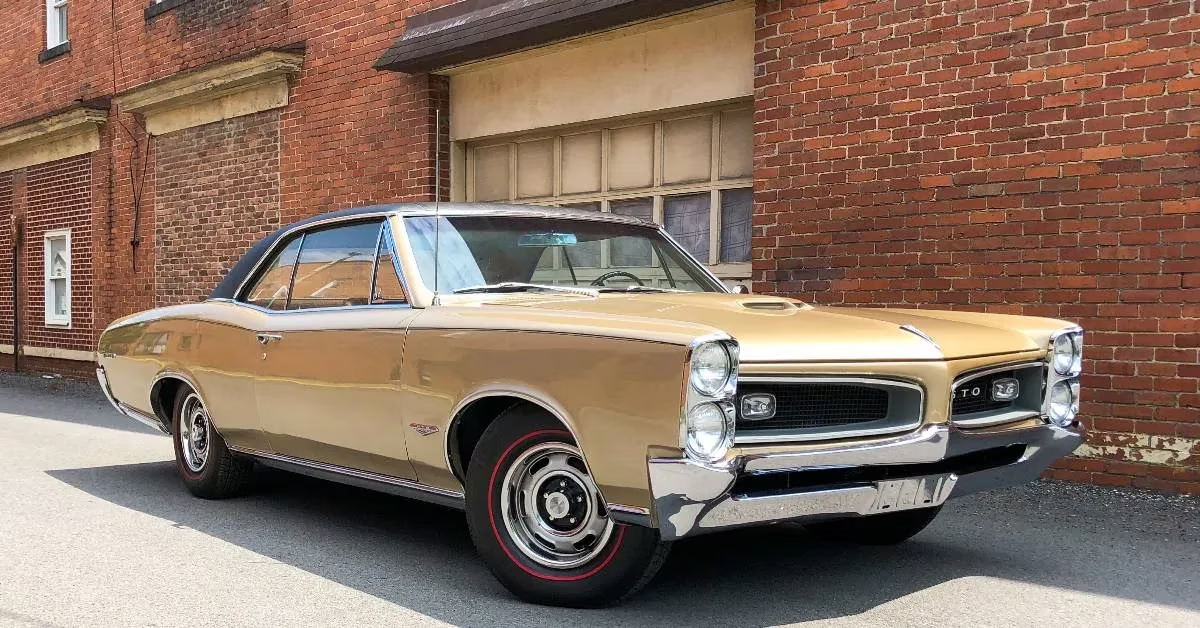
That’s not nostalgia talking. The GTO is arguably the car that kicked off the whole muscle car boom, and it did it by being more than a big engine in a pretty shell. Before the GTO, Pontiac was known for luxury. As American tastes shifted in the 1960s, drivers wanted speed without giving up the ability to actually use the car. Jim Wanger, John DeLorean, and the rest of the Pontiac team read that mood perfectly. The first GTO started life as a LeMans trim option, not a standalone model, and that parts-bin beginning is exactly why I like it. Pontiac already knew how to build a solid car. All the team had to do was strip weight, upgrade the right pieces, and add power.
There was also a clever racing workaround in the story. When GM pulled back from racing its big sedans in the early 1960s, Pontiac’s smaller bodies and shared engine mounts gave the engineers room to keep pushing performance. That kind of pragmatic engineering is the difference between a flashy one-season wonder and a car that still has a fan base six decades later.
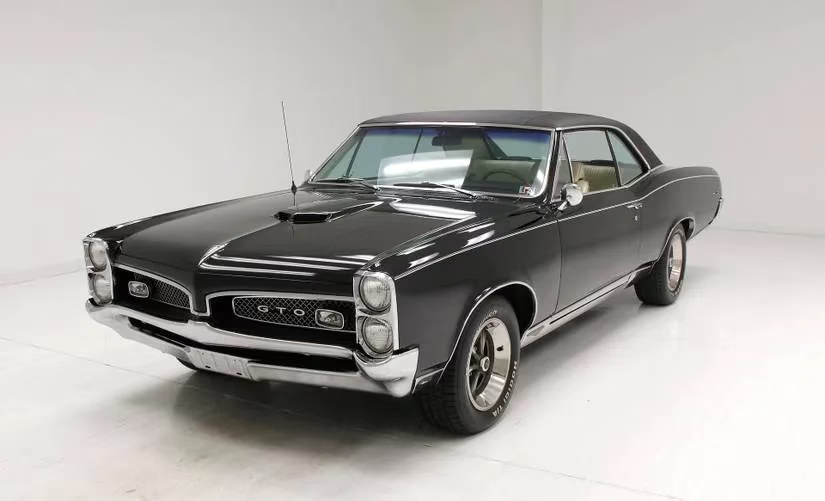
For used-car shoppers, 1967 is the sweet spot. It was the final year of the first-generation GTO, and it brought the biggest update of the run. The old 389 cu-in V8 made roughly 325 hp. The 1967 car moved to a 400 cu-in V8 rated at 335 hp as standard. More importantly for me, the induction setup changed from Tri-Power to a single four-barrel Rochester Quadrajet. That means fewer carburetors to sync, fewer vacuum lines to chase, and a much easier tune-up on a Saturday morning.
| Spec | 1966 GTO | 1967 GTO |
|---|---|---|
| Engine | 389 cu-in V8 | 400 cu-in V8 |
| Standard output | ~325 hp | 335 hp |
| Induction | Tri-Power | Four-barrel Rochester Quadrajet |
| Used-car appeal | Great, but fussier | Simpler and stronger |
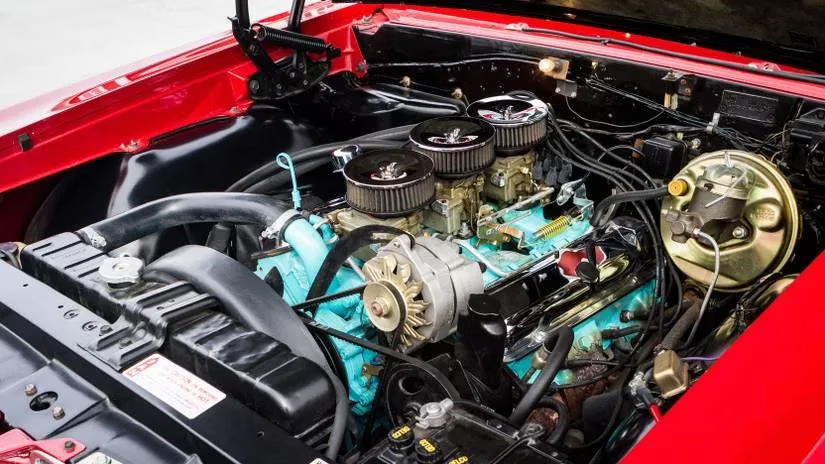
The 1967 engine also stayed relatively light for its size, which matters for steering feel, braking, and the way the car behaves on real roads rather than just in a brochure. Pontiac built only 751 Ram Air examples out of more than 81,000 GTOs for the year, so those are rare and expensive. I’m not holding out for one. The standard 400 with the Quadrajet is the honest choice for someone who wants to drive the car instead of curating it.
So why do I call it reliable? It comes down to a few old-school virtues:
-
✅ Simple pushrod V8: fewer complicated systems mean fewer mystery failures.
-
✅ Single four-barrel carburetor: easier to tune and less finicky than a multi-carb setup.
-
✅ Pontiac’s luxury-car background: the brand knew how to build bodies and chassis that held up over time.
-
✅ Survivor count: the number of mint 1967 GTOs still active or for sale today says plenty about how these cars were built.
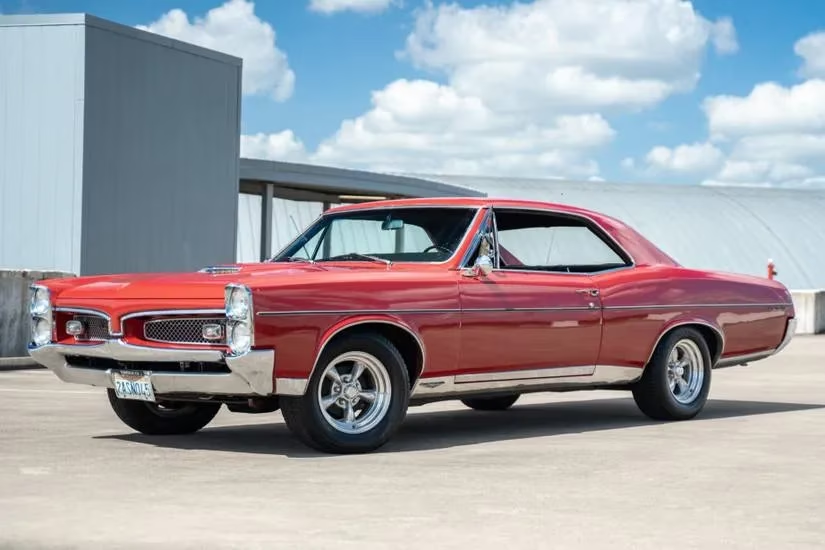
Here’s the catch, though: reliability on paper is not the same as reliability in your garage. In 2026, any 59-year-old car needs a careful inspection. Rust in the frame and floors, tired brakes, a neglected cooling system, worn suspension bushings, and sketchy electrical work can turn a dream car into a money pit. I’d rather buy a scruffy, well-maintained driver than a shiny car that has been sitting for years. Trust me, a test drive that includes a hot restart and a long idle will tell you more than a fresh coat of wax ever will.
And yeah, later muscle cars may offer more power or more modern features. But the 1967 GTO hits a rare balance: enough speed to feel special, enough simplicity to keep running, and enough parts support to keep it on the road. That’s the dream, right? A muscle car you can actually use.
If I’m spending my own money on a classic muscle car in 2026, the 1967 Pontiac GTO remains my benchmark. It is not a cheap appliance, and it is not a museum piece for me. It is the one old muscle car I’d happily point toward a distant horizon and drive.
Leave a Comment
Comments