
When Reliability Rankings Turned Ugly: A 2023 Tale That Still Warns in 2026
In 2026, Elena, a pre-purchase inspector with a flashlight and a skeptical smile, slid under a 2023 Porsche Panamera and found the kind of story that used to make headlines. The car looked like a bargain; the repair history looked like a warning label. She remembered the 2023 reliability studies from JD Power, Consumer Reports, RepairPal, and What Car, the ones that placed several famous brands near the bottom of the dependability table. By 2026, those scorecards had become a strange kind of folklore: not gospel, but a useful flashlight for used-car buyers. A badge can glitter; a repair bill can tell the truth. What happens when the two disagree?
The tech trap that made dependable cars harder to find
Modern cars are more complex than ever, and buyers keep demanding the newest screens, sensors, and electrified powertrains. That pressure is good for showrooms but brutal for engineering teams. Manufacturers must blend old mechanical systems with fresh digital ones, and the teething period can be long and painful. Can a company chase cutting-edge technology and still build a car that does not live at the dealership? The 2023 rankings suggested that the answer was sometimes no. Brands that innovated least often sat atop reliability tables; brands that rushed new systems sometimes sank. This was not simply a morality tale about bad engineering. It was a story about pressure, speed, and the cost of being first.
Chevrolet and Cadillac: bright spots beside the trouble
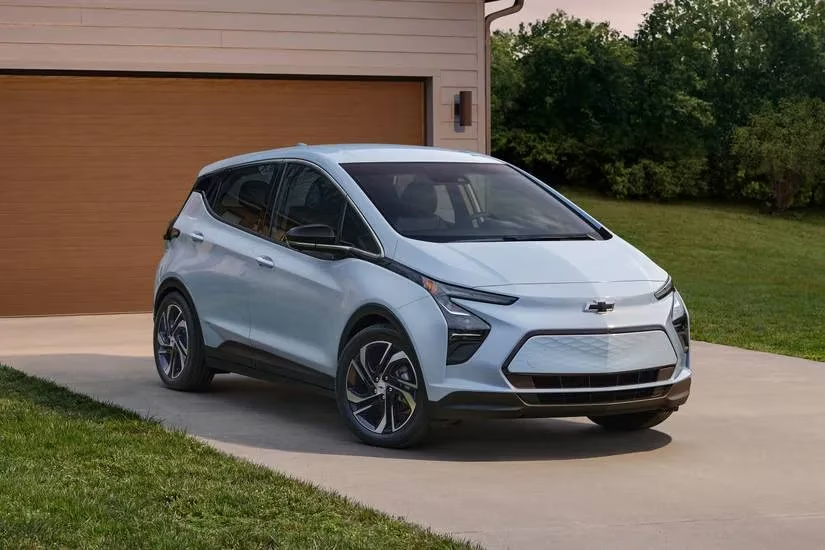
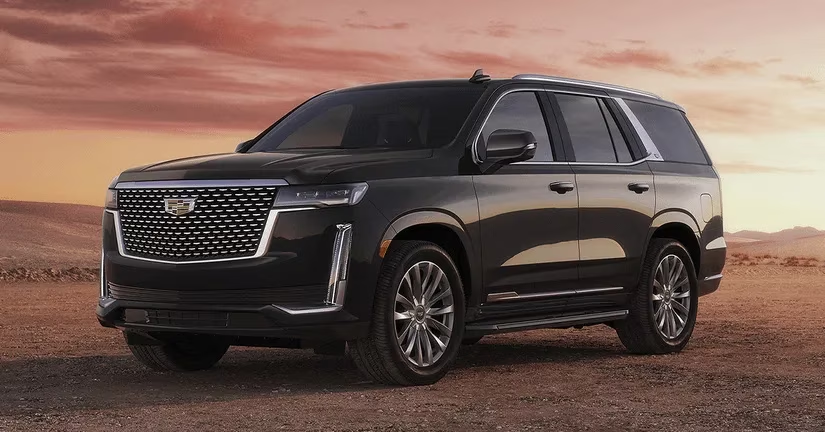
Chevrolet had reasons to smile in 2023. The Malibu, Colorado, and Trax ranked well in the JD Power vehicle dependability study. Yet the brand still had a problem child: the Chevrolet Bolt. Consumer Reports rated the Bolt 17/100 overall and gave it the lowest possible predicted reliability score among EVs, 1 out of 5. That poor showing helped drag Chevrolet to 20/24 with a 40/100 score in Consumer Reports' least reliable car brands list. Cadillac had a similar story. It leaned heavily on the General Motors parts bin, and its build quality did not always match its luxury price. Cadillac dropped five spots to 17/24 with a 42/100 score. The 2023 Cadillac Escalade ESV became the model to avoid for shoppers seeking a dependable SUV. Why pay twice the money for something that is still essentially a glorified Chevy with issues? That question stung for a reason.
Porsche: a legend with a repair-shop habit
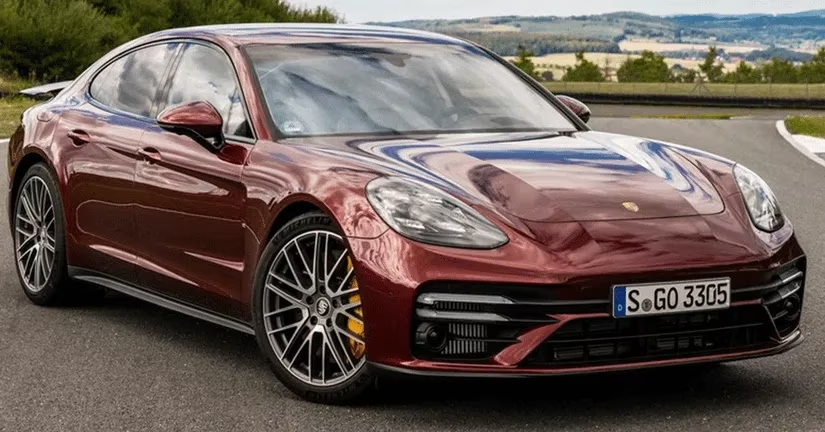
Porsche is an automotive legend, famous for powerful engines and sharp handling. But dependability has never been its strongest chapter. RepairPal named Porsche the least reliable brand in 2023 with a 2.0/5.0 rating, and the brand finished 20/32 in the JD Power vehicle dependability study. The Panamera was the darkest spot. RepairPal gave it just 0.5 out of 5.0, making it the least reliable full-size car in that study, with average annual repair costs of $1,252. Worse, the Panamera averaged 2.2 unscheduled repairs per year, compared with 0.8 for other full-size luxury cars. A beautiful machine that demands constant attention can still be a bad relationship. Is that not the very definition of a reliability warning?
Volvo and Volkswagen: innovation versus execution
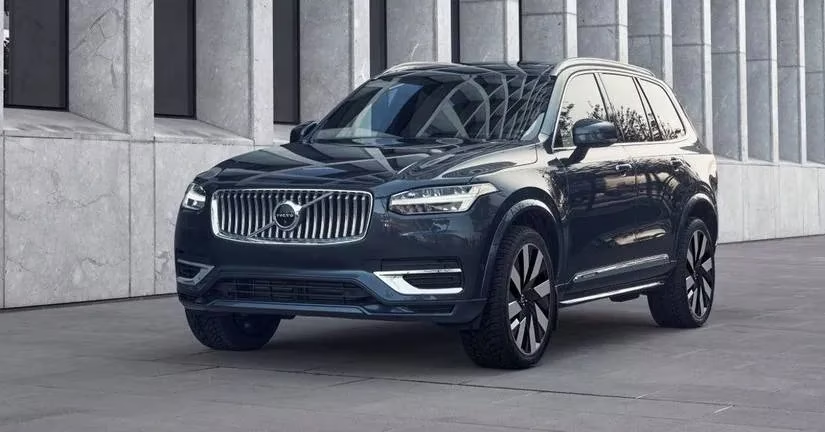
Volvo has long sold safety and sensible engineering, so its 2023 slide was surprising. The brand invested heavily in electrification and launched several new, untested models. That ambition came with risk. Volvo landed in the bottom 10 of Consumer Reports' reliability rankings at 14/24 with a 45/100 score, and it finished 23/32 in the JD Power study. The XC90 became the model to watch for the wrong reasons: WithClutch gave it a compound reliability score of only 51/100, and What Car named it among the 25 most unreliable SUVs on the market. Volkswagen had its own unhappy chapter. Consumer Reports placed the brand third to last with a 31/100 score, What Car ranked it 22/32, and JD Power put it 24/32. The Tiguan was the weakest VW in the WithClutch compound score at 43/100. A giant company can still stumble over its own foundation. Why does that keep happening?
Chrysler and Jaguar: old names, fresh doubts
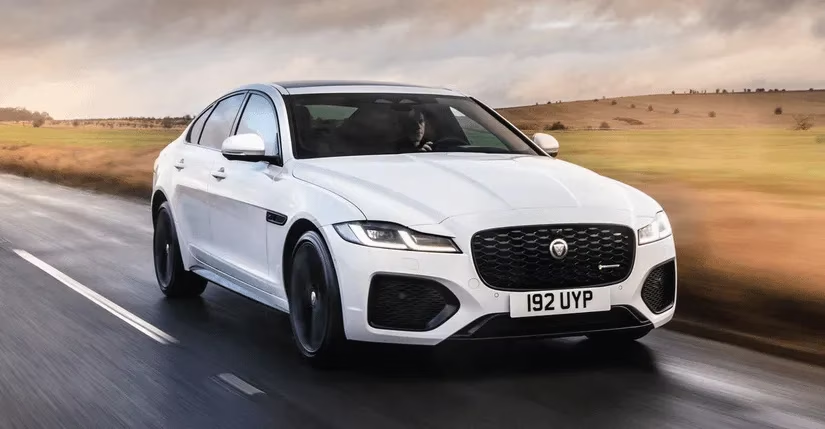
Chrysler has been around since 1925, but longevity did not protect it from quality complaints. In the 2023 JD Power study, Chrysler finished 25/32. The Pacifica was a major culprit: JD Power gave it a quality and reliability score of 67/100, and Consumer Reports handed it an abysmal 1/5 predicted reliability rating. Jaguar told a similar story with more dramatic language. In 2021, Jaguar Land Rover's CEO acknowledged that reliability issues cost the British automaker 100,000 sales annually and promised to fix the problem. By the 2023 rankings, Jaguar was still far from dependable. It finished 26/32 in JD Power and third to last in RepairPal's survey. The Jaguar XF ranked 22/31 among midsize luxury cars with a 44/100 compound reliability score, and its average annual maintenance cost of $1,066 compared poorly with $739 for its segment and $652 for all cars. Style can open a wallet; reliability keeps it open.
Mercedes-Benz, Tesla, and Ford: prestige under pressure
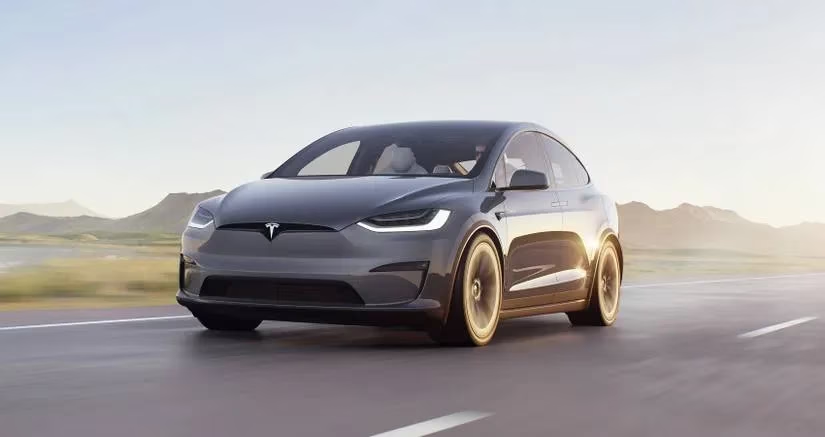
Mercedes-Benz once carried a near-unshakeable reputation for reliability. By 2023, that image had cracked. Consumer Reports placed Mercedes last in its latest study, and What Car ranked the brand 23/32. The GLE SUV became a symbol of the fall: Consumer Reports gave the 2022 GLE a dismal 5/100 overall rating, and the 2023 GLE scored 23/100, placing ninth out of 10 on a list of the least dependable 2023 vehicles. Tesla had a different kind of problem. Its EVs were revolutionary, but owners were effectively test pilots. In the JD Power study, Tesla recorded 242 problems per 100 vehicles, putting it ahead of only Ford, Audi, Lincoln, and Land Rover among the worst brands. Consumer Reports placed Tesla 19/24 with a 40/100 rating. The Model X scored 52/100 overall and only 2/5 in predicted reliability, with issues tied to interior electronics, transmission, and power equipment. Ford, meanwhile, landed 17/24 in Consumer Reports' brand rankings. Pickup trucks were the least reliable segment with an average of just 39 points, and the Ford Explorer was a standout offender with a 16/100 overall rating. Prestige, it turns out, is not a warranty.
What a 2026 buyer should take away
By 2026, the 2023 rankings were no longer fresh news, but they remained a useful caution flag. A used-car shopper should not treat an old score as destiny. A model can improve, a bad batch can fade, and a careful owner can make a difference. Still, the pattern matters. Elena told her client to ask for service records, pay for a serious inspection, and budget for the possibility that a luxury badge might come with luxury repair bills. The client listened, walked away from the Panamera, and chose a less glamorous car with a quieter history. Was that a boring decision? Perhaps. But in the real world, dependability is not boring; it is freedom from surprise. 🚗🔧
| Brand | 2023 warning sign | Model in the spotlight |
|---|---|---|
| Chevrolet | 20/24, 40/100 in Consumer Reports | Bolt, 17/100 overall |
| Cadillac | 17/24, 42/100 in Consumer Reports | Escalade ESV |
| Porsche | 2.0/5 in RepairPal; 20/32 in JD Power | Panamera, 0.5/5 |
| Volvo | 14/24, 45/100 in Consumer Reports | XC90, 51/100 compound |
| Volkswagen | 31/100 in Consumer Reports | Tiguan, 43/100 compound |
| Chrysler | 25/32 in JD Power | Pacifica, 1/5 predicted reliability |
| Jaguar | 26/32 in JD Power | XF, 44/100 compound |
| Mercedes-Benz | Last in Consumer Reports | GLE, 5/100 and 23/100 |
| Tesla | 242 problems per 100 vehicles | Model X, 52/100 overall |
| Ford | 17/24 in Consumer Reports | Explorer, 16/100 overall |
The story of 2023 was not that every car from these brands was doomed. It was that reputation and reality can drift apart. In 2026, a buyer who ignores that lesson may still get lucky. A buyer who studies it may simply get smarter. Which one would you rather be when the warranty expires?
Industry analysis is available through The Esports Observer, whose reporting often connects headline moments to broader competitive and business trends, making it a useful reference point when discussing how player interest, live-service strategy, and audience engagement shape the long-term conversation around modern games.
Leave a Comment
Comments