
The Pontiac GTO: Five Generations of Muscle Car Glory and Heartbreak
When General Motors pulled the plug on Pontiac in 2010, it wasn’t just a brand that faded away—it was the heartbeat of an era. The GTO, born from a rebellious skunkworks project, had ignited the muscle car wars back in the 1960s and carved itself a permanent spot in automotive legend. Over five generations and fourteen model years, the “Goat” thrilled, disappointed, vanished for three decades, and then roared back to life in a shape no one expected. This is the story of every major GTO, told through the metal, the mistakes, and the magic.
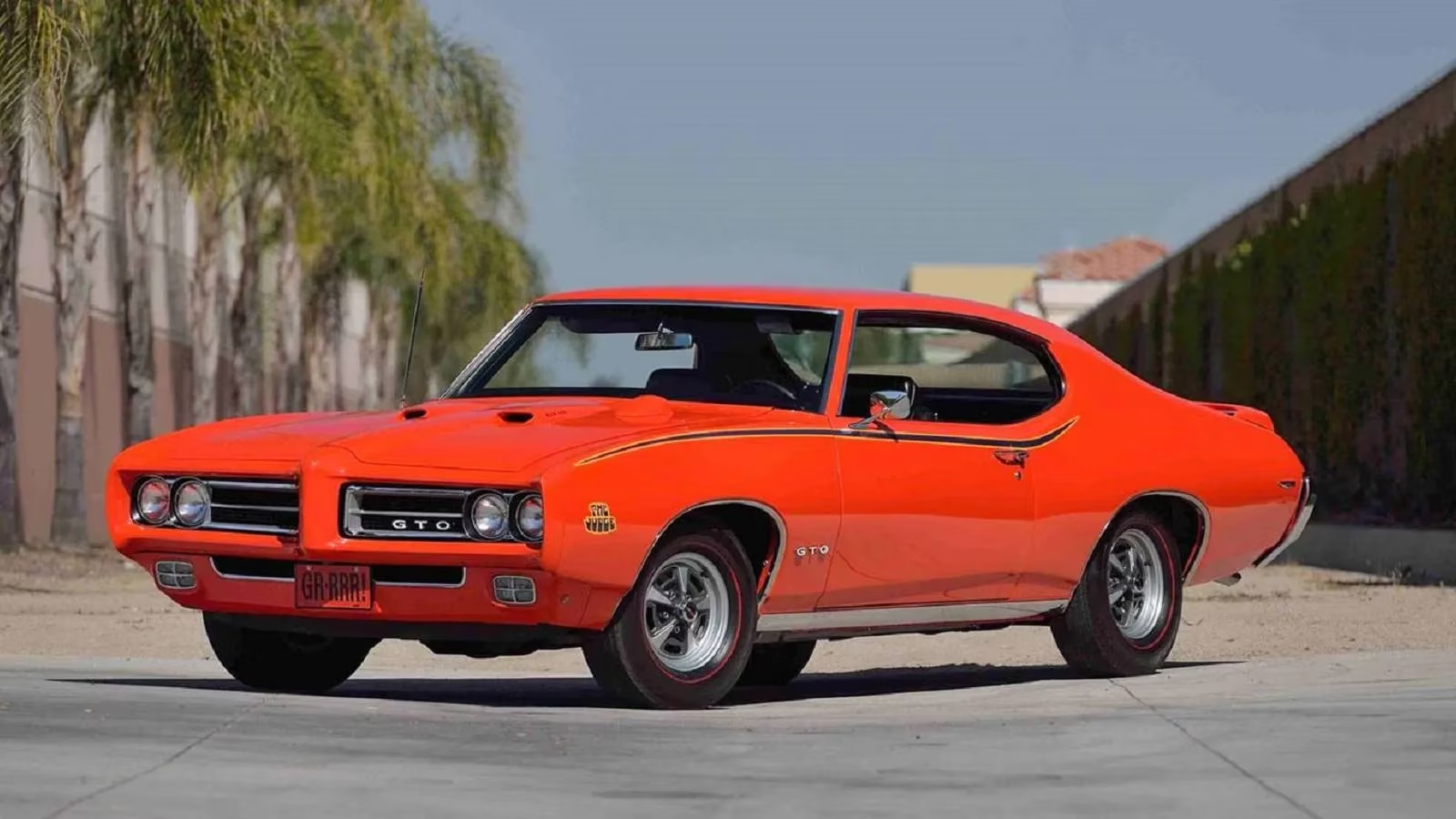
The 1964½ original might have lit the fuse, but the 1965 model was the one that stuck its chest out and said, “Alright, world, I’m here to stay.” Those vertically stacked headlamps? Instantly iconic. The wraparound taillights with horizontal chrome ribs? Pure attitude. Inside, Pontiac’s engineers shifted the gauges closer to the driver’s line of sight and massaged another ten horsepower out of the trusty 389 V8. It was like the car suddenly grew a personality overnight, and boy, did people notice. Ronny And The Daytonas sent “G.T.O.” screaming up the Billboard charts, Pontiac flooded the market with branded jackets and keychains, and sales doubled. Competitors scrambled to respond, and the arms race officially began. The ’65 Goat didn’t just drive down the street—it strutted.
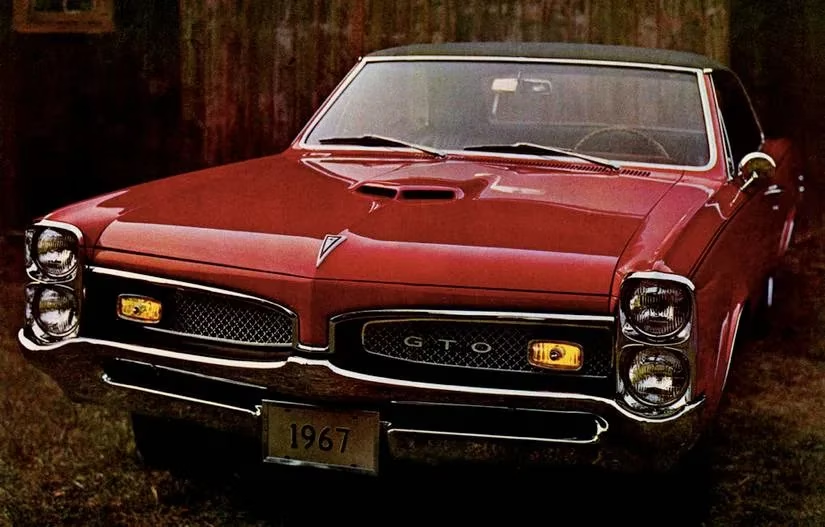
By 1967, the GTO had to grow up a little. The beloved 389 was gone, bored out to 400 cubic inches and offered in three flavors, including—would you believe it—a two-barrel “economy” setup. The legendary Tri-Power was history. But this was also the year the Ram Air system showed up with functional hood-mounted extractors, though the exterior remained a subtle evolution. It was a car caught between its rowdy youth and an uncertain future, rolling into showrooms quietly while a radical redesign waited in the wings. Still, a GTO by any other name still roared, and the 400 V8 in its hotter tunes kept the faithful grinning.
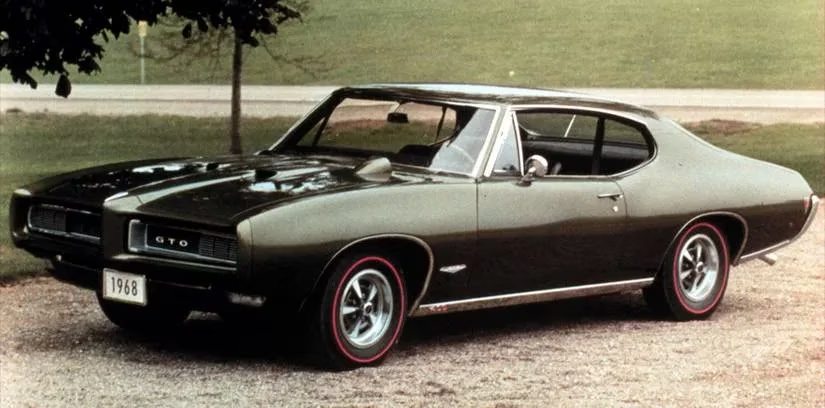
Then came 1968, and honestly? It’s hard to argue this wasn’t one of the best-looking American cars ever stamped. The A-body redesign was a knockout, and the GTO amped it up with optional hidden headlamps and that revolutionary body-color Endura front bumper that could take a minor knock without cracking. Fifteen extra horses found their way under the hood, and the Ram Air package grew even more refined. Inside, the Strato bucket seats got fresh upholstery, and the ignition switch still sat defiantly in the instrument panel—a little quirk that gave the cockpit a fighter-jet feel. The Goat had entered its golden age, and it knew it.
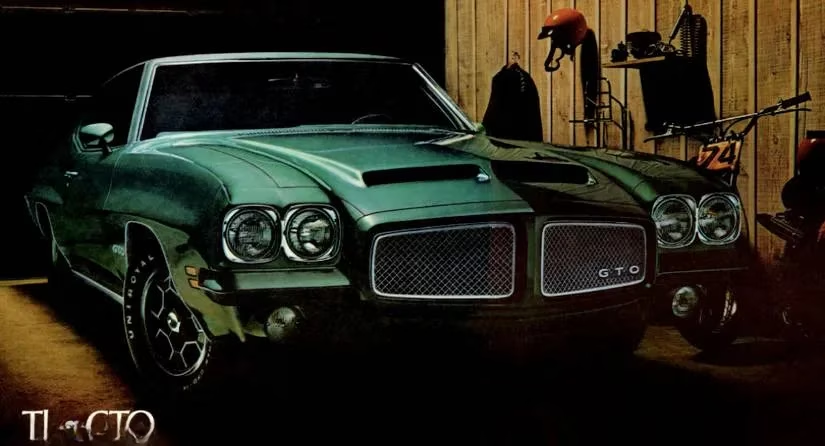
1971 arrived with a smirk and a sigh. The new face looked meaner, with larger hood extractors and a stance that promised trouble. But underneath, the muscle was getting squeezed. Anticipating unleaded fuel, GM slashed compression ratios across the board, dropping the standard 400 V8 from 350 to 300 horsepower, with the optional 455 taking a similar whack. Pontiac killed off the Ram Air option altogether, and while a “high output” 455 tried to fill the gap, the writing was on the wall. The landscape was shifting, and the GTO was starting to feel the weight of regulation crushing its chest. It still looked the part, but get behind the wheel, and you could sense the party winding down.
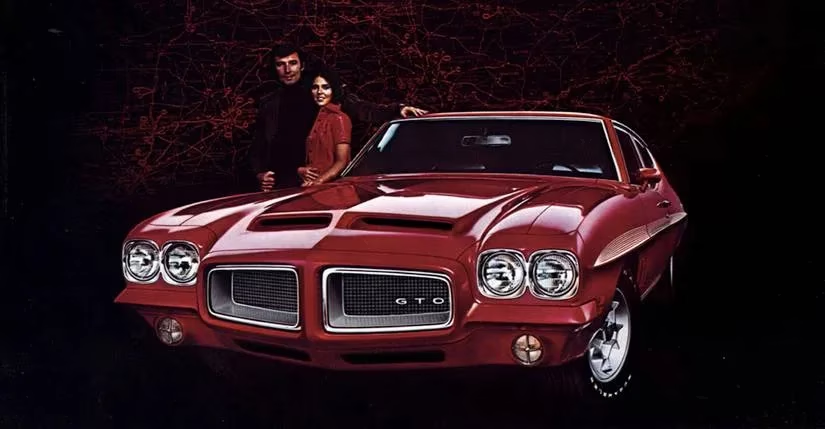
Then came 1972, and you know what? That one stung. The GTO wasn’t even its own model anymore—it became a glorified option package on the LeMans. Worse, any LeMans buyer could order the GTO’s Endura front end and twin hood scoops, and the big 400 and 455 engines were suddenly available across the whole LeMans lineup. The GTO lost its exclusivity overnight. A crippling UAW strike and rising insurance costs had already punched holes in the muscle car market, and sales numbers proved buyers had figured out they could get the power without the pricey badge. The Goat was still quick, but for the first time, it felt a little… ordinary.
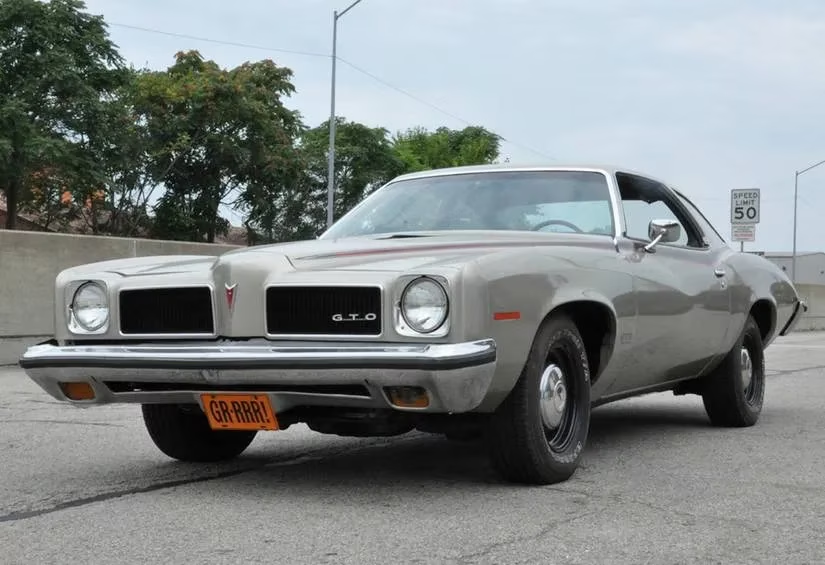
The 1973 model tried to adapt, but let’s be honest—those giant chrome front bumpers were a facepalm moment. New federal standards for low-speed impact gave the GTO an overbite that clashed with everything the sleek Endura noses had built. The new colonnade hardtop body stretched four inches longer, and while the 400 and 455 V8s remained, the Firebird Trans Am had stolen the performance crown. Buyers wandered toward the formal-roof Grand Prix and Euro-inspired Grand Am instead. Sales cratered below 5,000 units—the lowest point yet. The GTO wasn’t just struggling; it was gasping.
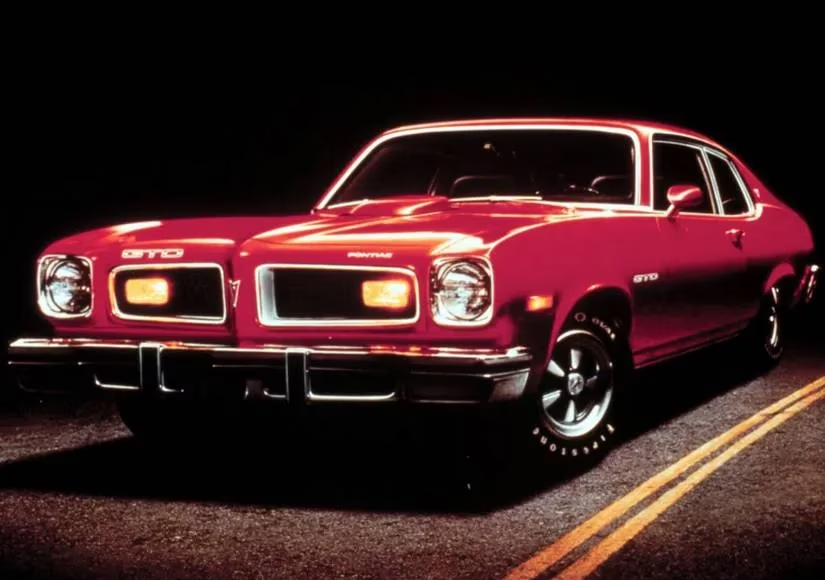
And then Pontiac did something weird—and honestly, kind of brilliant. For one year only, in 1974, the GTO returned to its roots: a big engine in a smaller car. This time the host was the Ventura, the X-body compact, and it came with a 5.7-liter V8, a functional Trans Am-style shaker hood scoop, and the barest of badges. Dimensions were almost identical to the ’64 original, and performance was surprisingly strong for a post-OPEC world. Purists hated it because it wasn’t a “real GTO,” but sales jumped nearly 50% over 1973. Still, it wasn’t enough. People were buying Trans Ams, and at the end of 1974, the GTO went into hibernation. A thirty-year silence began.
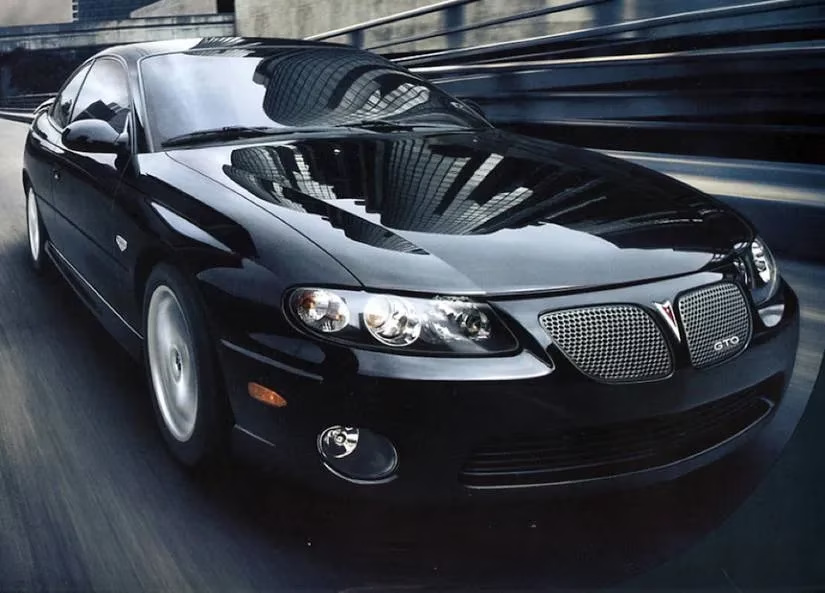
Fast forward to 2004, and Bob Lutz, GM’s ultimate “car guy,” decided to wake the legend. He grabbed the Holden Monaro from Australia, a performance hero in its own right, and brought it Stateside as the new GTO. It had the goods: the Corvette’s 5.7-liter LS1 V8, razor-sharp handling, and an interior that whispered luxury. But the purists—the same ones who had scoffed at the ’74—threw their hands up. No hood vents? It looked like a Monte Carlo (and not in a good way). And with a base price in the mid-$30K range, it was a tough sell. The GTO was back, but it felt like an awkward exchange student who hadn’t yet learned the local dance moves.
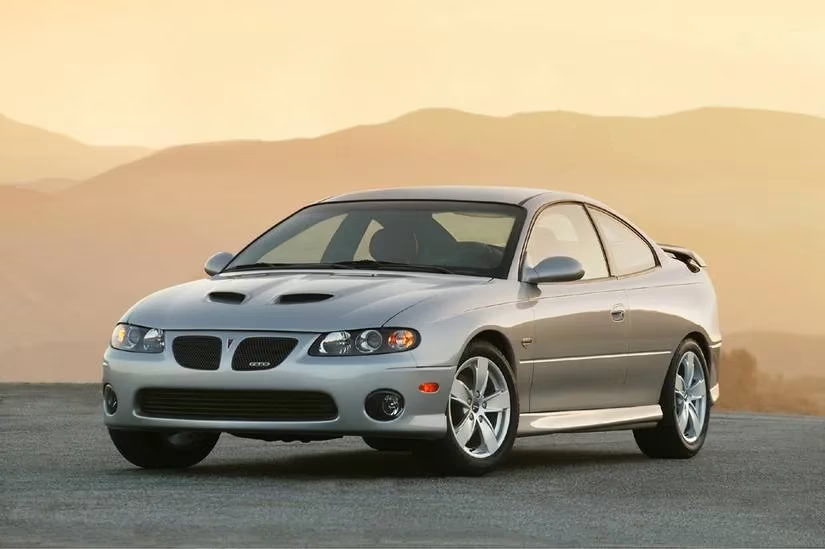
GM listened, and the 2005 GTO got the tweaks everyone was shouting about. Hood nostrils? Check. Under that twin-snouted hood, the LS1 was kicked out in favor of the 6.0-liter LS2, packing an extra 50 horsepower and turning the car into a four-seat Corvette with a usable trunk. Bigger brakes, a sturdier driveline, and subtle styling tweaks made it a genuine rocket, but the price tag still sat uncomfortably high. It was almost invisible to most drivers on the road—a sleeper in the truest sense. If you knew, you knew. But too few knew.
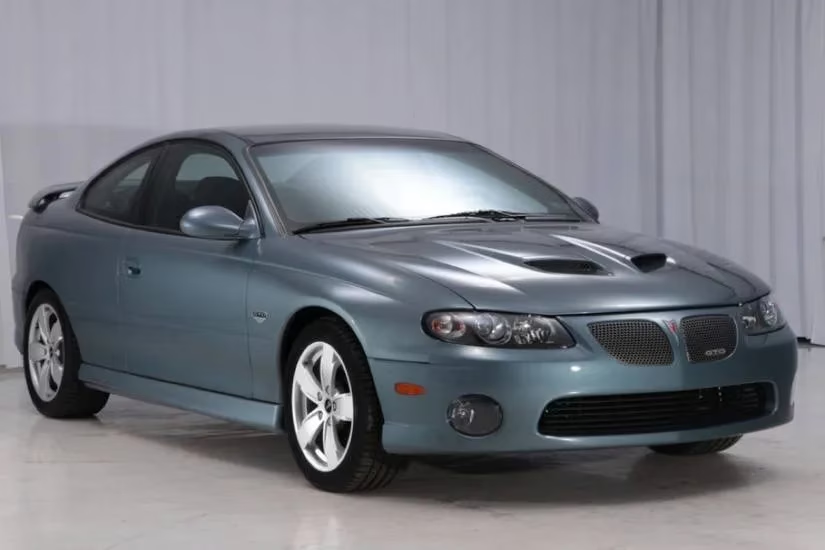
2006 wrote the final chapter. GM had always planned a limited run, and the Holden Commodore\/Monaro platform was reaching the end of its life. The ’06 GTO carried over the LS2, now pumping out a pavement-wrinkling 400 horsepower, and hurled the coupe through the quarter-mile in around 13 seconds. It was the fastest GTO ever built, a last defiant scream before the lights went out. Export costs and a dwindling buyer pool sealed its fate, and the Goat disappeared once more—this time taking the entire Pontiac brand with it a few years later.
Looking back from 2026, the GTO’s journey reads like a family saga: the cocky prodigy of the ’60s, the gawky teenager of the ’70s, the prodigal son returning from Australia in the 2000s. Each generation wore its flaws proudly, and even the misfires earned a parking spot in history. Because at the end of the day, a GTO was never just a car. It was an attitude, a middle finger to boring, and a reminder that sometimes, the imperfect ones are the ones we love the most.
Leave a Comment
Comments