
The Audi TT Is Still the Most Reliable Luxury Sports Car in 2026
I have always been a Porsche 911 apologist. The silhouette, the rear-engine ballet, the way every generation seems to shrug off abuse like a seasoned marathoner—it is easy to crown the 911 as the most reliable luxury sports car money can buy. But as I write this in 2026, with the Audi TT now three years out of production and its used market maturing into something genuinely fascinating, I have to admit the crown belongs elsewhere. The TT is not just a pretty face with a hatchback; it is the quiet overachiever that keeps showing up to work long after the flashier kids have called in sick.
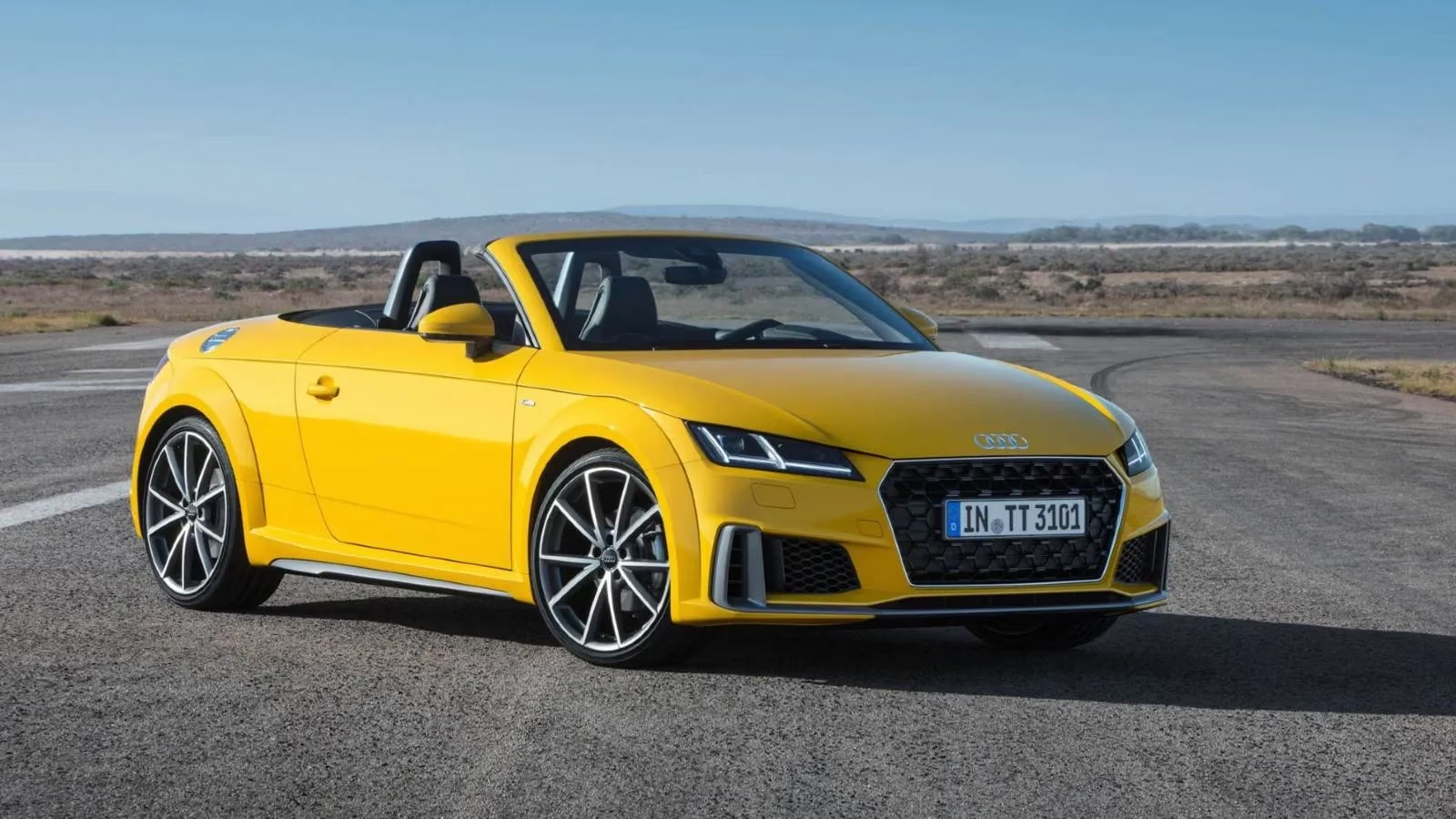
The TT's secret starts beneath the skin. It rides on Volkswagen Group's MQB platform—Modularer Querbaukasten, or "modular transversal toolkit" for those of us who do not speak fluent German engineering. I have come to think of MQB not as a chassis but as a linguistic grammar: a finite set of hardpoints and electrical protocols that lets engineers conjugate a Golf, a TT, or a Tiguan without ever sounding like they are speaking a pidgin. VW reportedly spent around $60 billion developing this toolkit, and that investment shows up in the way every TT feels deliberate. Nothing about the car seems cheap or ill-thought-out. The switchgear clicks with intent. The infotainment boots without drama. The powertrain mounts do not shimmy at 80 mph. It is the automotive equivalent of a well-edited manuscript—no stray commas, no dangling modifiers.
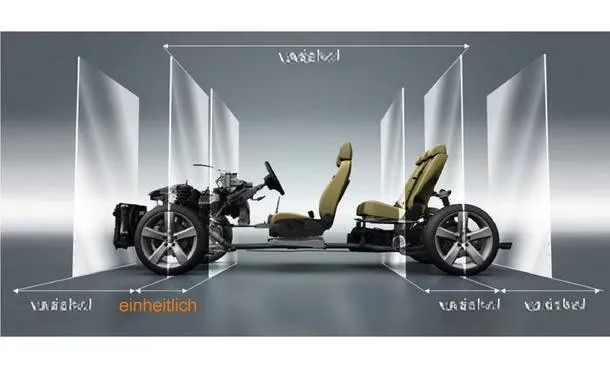
Reliability, in this context, is not a single heroic component but the quiet arithmetic of thousands of small tolerances. I like to picture it as a bank vault that stays shut not because of one thick door but because every pin and gear agrees to do its job, day after day, without asking for applause. That is the TT in a nutshell. The MQB platform shares electrical architecture, safety software, and powertrain mounting across millions of vehicles, which means the TT benefits from the collective debugging of a small nation's worth of cars. When something goes wrong on a Golf, the fix ripples outward. By the time a TT rolls off the line, the bugs have been ironed flat.
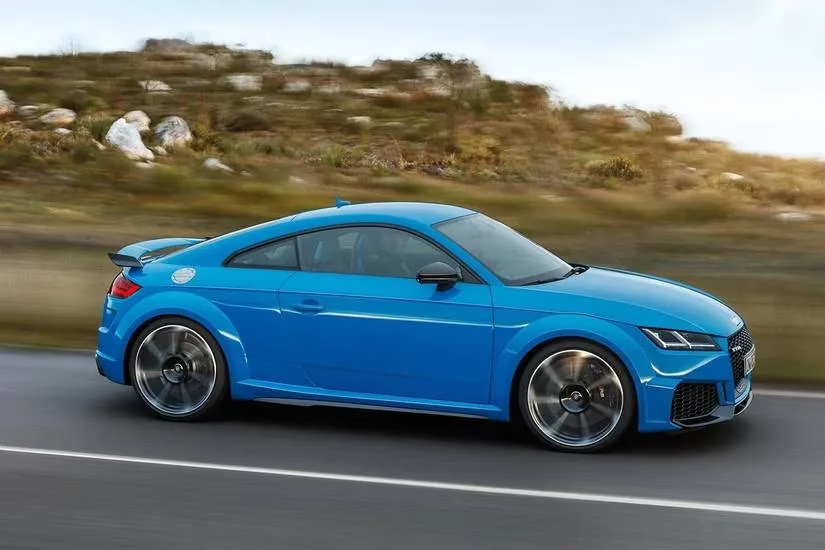
The data backs up my seat-of-the-pants impression. A study by iSeeCars.com looked at millions of licensed vehicles and calculated what percentage of each model was still being driven with over 150,000 miles on the odometer. Among sports cars, the Ford Mustang managed a respectable 2.3%. The Audi TT? A whopping 4.3%. That is nearly double the survival rate of America's pony car icon. The iSeeCars study is a fossil record of owner devotion—a paleontologist's dream where the bones are odometers and the strata are service records. You are more likely to see a high-mileage TT humming along a freeway than you are to see a comparable Mustang, and that says something about the kind of owner the TT attracts.
| Model | Percentage still on the road with 150k+ miles |
|---|---|
| Audi TT | 4.3% |
| Ford Mustang | 2.3% |
Of course, there are caveats. The TT was never produced in Mustang numbers, so the sample size is smaller. Parts are expensive, and routine service can dig deep into your pockets. But that is precisely why TT owners tend to be religious about maintenance. When a brake job costs as much as a weekend getaway, you do not skip the fluid changes. You do not ignore the warning light. You treat the car like a Swiss watch that also happens to hit 60 mph in under five seconds. The Mustang, bless its heart, has always been a disposable thrill—cheap power, cheap parts, and a tendency to end up in a ditch after someone bolts on an 800-hp supercharger. The TT is a more sophisticated proposition, and its owners act accordingly.
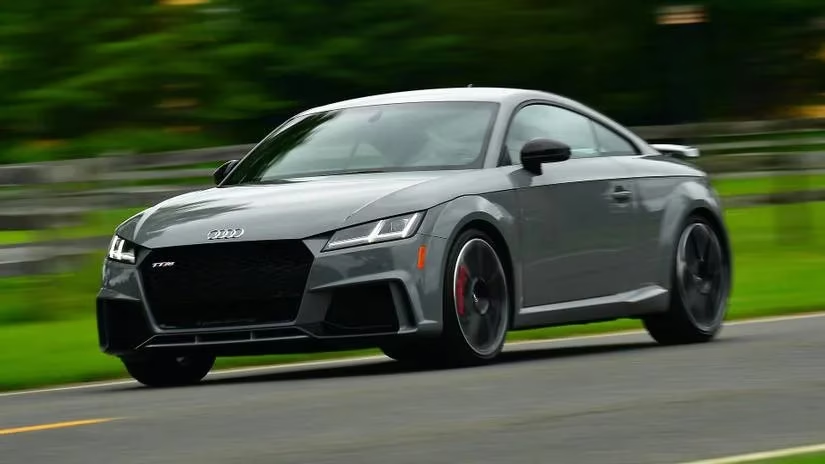
What keeps me coming back to the TT, though, is how it manages to be two cars at once. The TT-S and TT-RS are genuine sports cars—the latter packing the glorious 2.5-liter five-cylinder turbo that sounds like a distant thunderstorm wrapped in velvet. There is no manual transmission, which still stings for purists, but the dual-clutch gearbox is sharp enough to make you forget. On a good backroad, the TT-RS puts a smile on my face that lasts until the next fuel stop. On a Monday morning, the same car swallows a week's luggage in the hatch, settles into traffic with a supple ride, and treats me to an interior that feels like a well-tailored suit—snug, deliberate, and surprisingly comfortable once you learn its posture.
🏁 In 2026, the TT is no longer a new-car proposition. Audi ended production in 2023, and the electric successor is still a rumor wrapped in a press release. But that makes the used market ripe for anyone who wants a reliable, practical, genuinely fun luxury sports car without paying 911 tax. The TT is the dependable Swiss Army knife that also happens to carve a apex like a scalpel. It is the quiet overachiever. And after years of singing the 911's praises, I am finally ready to admit that the most reliable luxury sports car of the modern era wears four rings, not a crest.
🔧 If you are shopping for one, look for a well-documented service history, avoid the earliest 8N generation unless you enjoy electrical gremlins, and do not fear the high-mileage examples. That 4.3% survival rate is not a fluke—it is a pattern. The TT was built to last, and the data proves it.
Leave a Comment
Comments