
Tesla Considers Apple CarPlay Integration
As an electric vehicle enthusiast who's been following Tesla's evolution for years, I find the recent news about potential Apple CarPlay integration particularly fascinating. According to Bloomberg reports, Tesla is seriously considering bringing CarPlay to its vehicles in the coming months. This represents a significant shift for a company that has historically maintained complete control over its software ecosystem. While nothing is finalized and timelines might change, the mere fact that Tesla is exploring this option shows how the automotive landscape is evolving.

What makes Tesla's approach unique is how they plan to implement CarPlay. Instead of allowing it to take over the entire display like in most other vehicles, Tesla is working on a windowed integration within their existing user interface. This means drivers would get access to iPhone features like navigation, music, and messaging while Tesla's operating system remains the primary platform. This hybrid approach demonstrates Tesla's attempt to balance user demands with their commitment to maintaining control over the in-car experience.
This potential move comes at a time when most major automakers have fully embraced smartphone integration systems. Ford, General Motors, and Hyundai all offer CarPlay across their lineups, and consumers have come to expect seamless phone connectivity as a standard feature. Tesla has been one of the last holdouts, insisting that their native software provides a superior, more integrated experience. Their current system already handles navigation, messaging, web browsing, and includes built-in apps for Apple Music and Spotify.
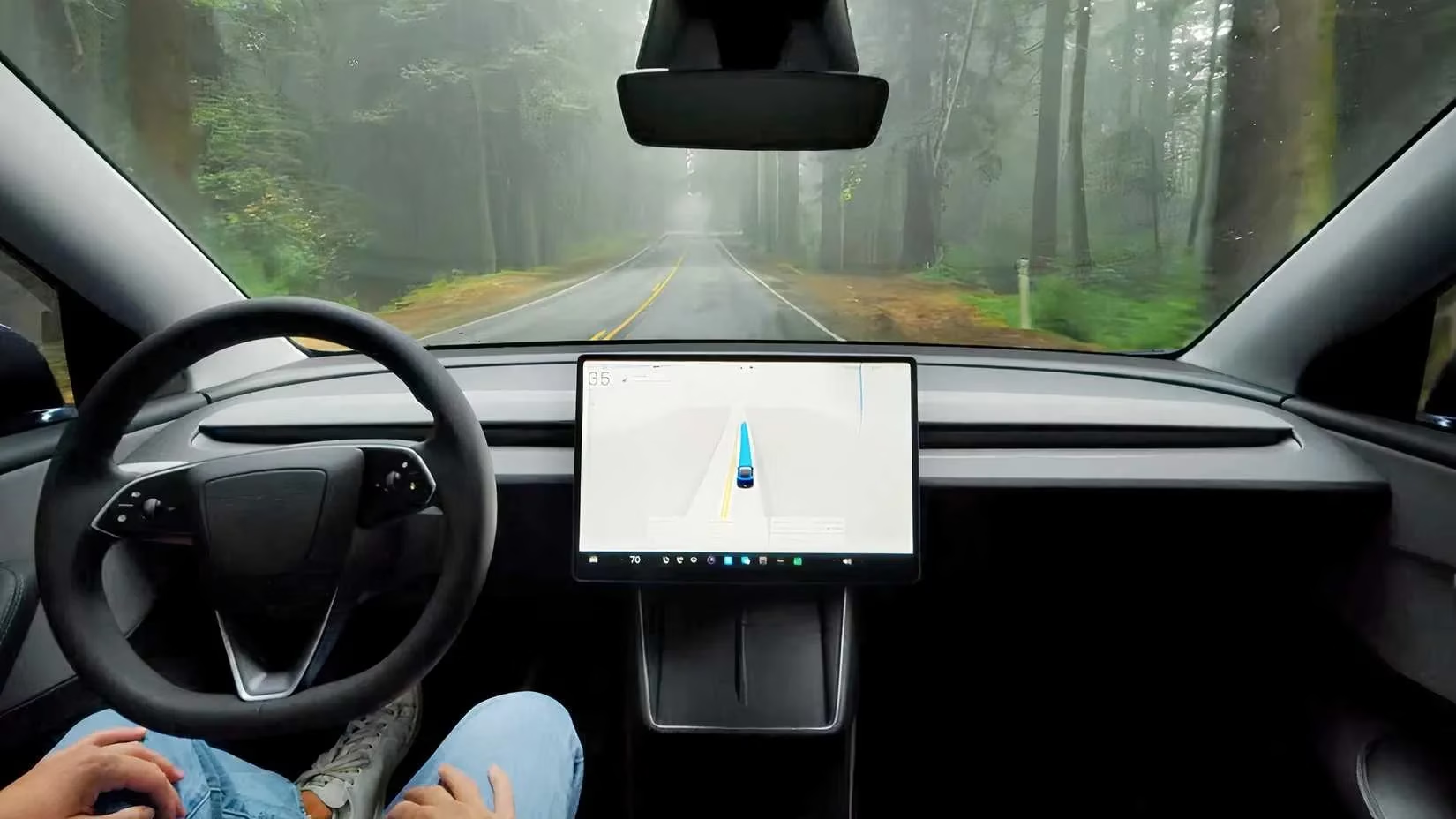
The timing of this potential shift is interesting. Tesla has been enhancing its own software capabilities, recently integrating features like the xAI-powered Grok chatbot. This makes the consideration of CarPlay even more noteworthy – it suggests that despite their advanced native systems, Tesla recognizes the growing importance of supporting the ecosystems that customers are already invested in. Many Tesla owners are also Apple users, and the convenience of having their familiar iPhone interface available in the car could be a significant quality-of-life improvement.
From my perspective as a long-time Tesla driver, I can see both sides of this equation. Tesla's native interface is remarkably polished and well-integrated with vehicle functions. However, there are times when I wish I could access my iPhone's messaging apps or navigation preferences more seamlessly. The proposed windowed approach seems like a smart compromise – giving users access to CarPlay's benefits while maintaining Tesla's distinctive user experience.
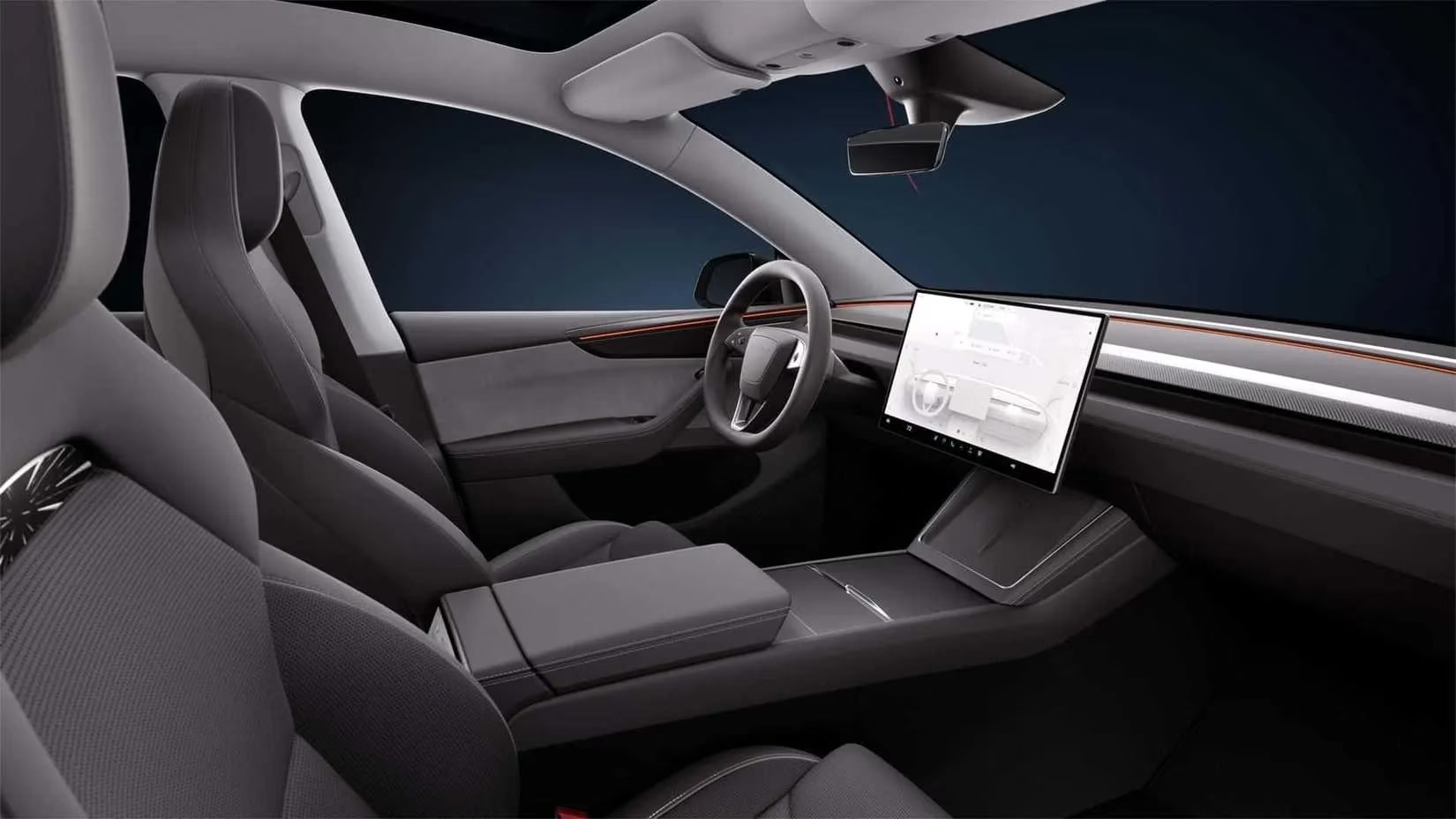
Industry analysts suggest that Tesla might be feeling competitive pressure to adopt CarPlay. As more electric vehicles enter the market with full smartphone integration, Tesla's closed-system approach could become a disadvantage. The automotive world has largely standardized around CarPlay and Android Auto, and Tesla's resistance to these systems has increasingly made them an outlier. This potential shift indicates that even innovative companies like Tesla must eventually respond to market expectations.
If Tesla does move forward with CarPlay integration, it will be fascinating to see how they implement it. Their track record with software updates suggests they'll likely put their own spin on the technology rather than simply adopting the standard implementation. The windowed approach they're reportedly considering would be consistent with Tesla's philosophy of doing things differently while still acknowledging industry standards.
As we look toward 2025 and beyond, this development could signal a new chapter in Tesla's relationship with third-party software. While maintaining their unique identity, they appear to be recognizing that some level of openness might be necessary to stay competitive in an increasingly crowded EV market. For current and prospective Tesla owners, this potential integration represents the best of both worlds – Tesla's innovative native software combined with the convenience of Apple's ecosystem.
Leave a Comment
Comments