
Reliable European Sports Cars From The 2000s Still Earn Their Keep In 2026
As 2026 unfolds, the European sports car class of the 2000s is entering a different phase. Models such as the Lotus Elise S2, BMW M3 E46, and Porsche Cayman 987 are no longer showroom fresh, yet their reputations for reliability have aged better than many of their peers. A new generation of enthusiasts is discovering that a focused chassis, a proven engine, and a simple mechanical layout can still deliver a compelling ownership proposition. The class of the 2000s was not uniformly robust, of course. Some European performance cars prioritized drama over durability. But the ten machines below earned a different kind of reputation: they were built to be used, maintained, and enjoyed for decades. In 2026, that matters. 🔧
The standouts that still make sense
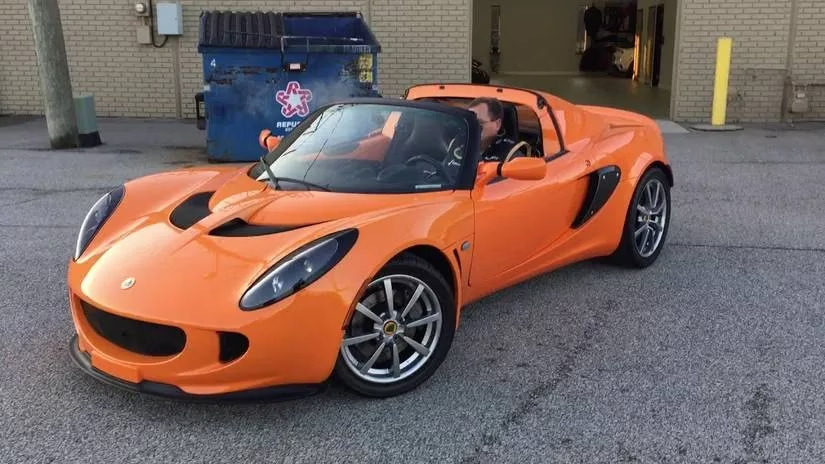
The Lotus Elise S2 set the tone. Launched in the early 2000s, it paired a Toyota four-cylinder engine with a lightweight structure and brilliant handling. It is not practical—no surprise there—but the Elise does not pretend to be a grocery hauler. It simply tugs at your sleeve and asks for a twisty road. The manual gearbox gives the driver control, and the car remains a reliable, engaging package when cared for properly. On a tight road, it is a hoot.
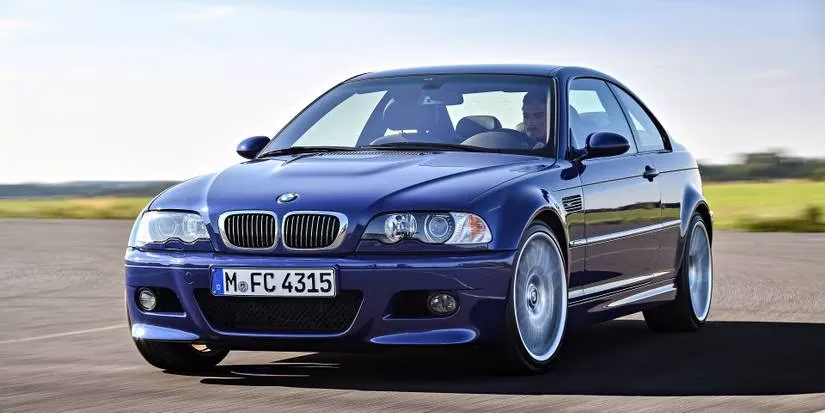
The BMW M3 E46 arrived in 2000 and became renowned for an exceptionally strong engine. Its rear-wheel-drive handling is still praised, and its performance remains meaningful more than two decades later. The straight-six clears its throat with a sound that reminds drivers why the E46 is held in such high regard. When looked after well, it is known for reliability as much as pace. Plenty of fun can still be had with one today.
The Audi TT was good enough to be nominated for North American Driver's Car of the Year in 2000 and to appear on Car and Driver's Top 10 list for two years in a row. Its second generation, released in 2006, followed as a reliable vehicle. The TT's aerodynamic design and handling kept it popular, and while its build quality was not Audi's absolute best, it earned a reputation for dependability. It remains a recognizable and usable sports coupe.
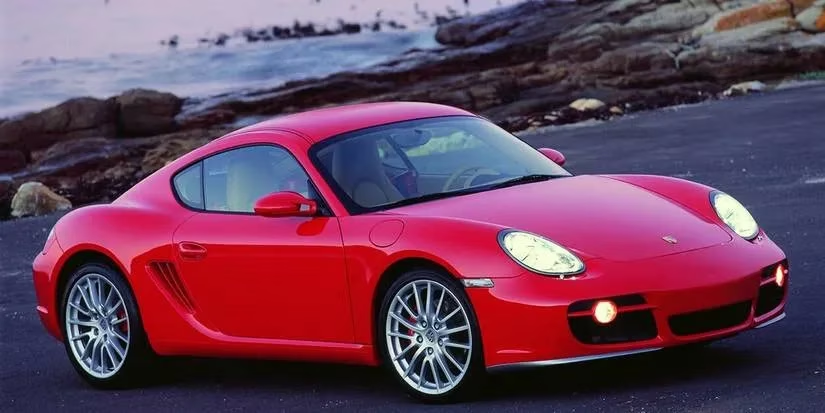
The Porsche Cayman 987 was balanced and agile, suited to both track use and ordinary roads. For everyday users, its reliability was a key part of the appeal, and the PDK gearbox added another layer of usability. The Cayman feels like a quality item, and its higher cost reflected that. In 2026, well-kept examples still demonstrate why the model was popular for all the right reasons.
The Audi R8 arrived in 2006 with a V8 engine and 420bhp. Refined handling and outstanding grip made it a serious road car, and a V10 engine followed in 2009. Its all-wheel-drive system added speed and safety. A one-off diesel V12 was shown in 2008 but never reached production. The R8 remains a brilliant, reliable machine for buyers who want performance without constant drama.
The Caterham 7 CSR launched in 2005 with a Ford Duratec engine, giving it a strong basis for reliability. It was speedy and powerful, with a top speed of 155mph. The Caterham brand is known for simple cars in which very little goes wrong. The CSR shrugs at complexity—and that is exactly why it keeps on trucking. It is built well, but simply, and the reliable engine adds to the appeal.
The Volvo C70 second generation launched in 2006 and shared its platform with the Volvo S40. It was good-looking, ergonomic, comfortable, and fitted with Volvo's safety standards. The car was weighty but performed decently, and its balance helped the driver feel in control of its speed and strength. Its reliable engine made it a standard-bearer for Volvo values.
The Noble M12 used a Ford Mondeo V6 engine and impressed with build quality that showed real effort from the brand. The engine was close to bulletproof, and the M12 was great to drive and great fun. The M12 GTO 3 raised output to 352bhp, and both versions were recognized by enthusiasts for outstanding performance. The car immerses the driver in the experience.
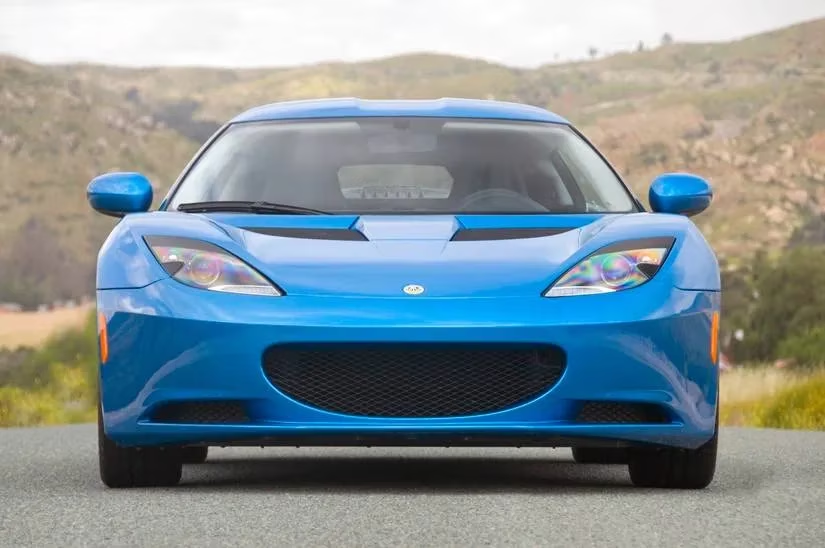
The Lotus Evora was produced in 2009 to take on the Porsche Cayman. It used a Toyota V6 engine with more than 270bhp, and the engine itself was very reliable. The Evora looked good, and its engineering matched its appearance. It remains a strong choice for Lotus enthusiasts who want a reliable engine with their sports car.
The Saab 9-3 Viggen was available until 2002 and offered higher performance than the original 9-3. Its 2.3-liter B235R turbo engine produced 230bhp, and the front-wheel-drive system helped make it balanced and brilliant in its handling. The car is rare today, but it is a gem. It was reliable, though it reflected older technology compared with its rivals. Even so, the enhanced performance made it genuinely enjoyable.
A 2026 buying view
| Model | Launch era | Reliability character |
|---|---|---|
| Lotus Elise S2 | Early 2000s | Toyota four-cylinder, light chassis, simple manual ⚙️ |
| BMW M3 E46 | 2000 | Strong engine, rear-wheel drive, durable when maintained 🏁 |
| Audi TT | 2000 and 2006 | Popular design, dependable second generation ⭐ |
| Porsche Cayman 987 | 2004 | Balanced, agile, everyday usability with PDK 🔧 |
| Audi R8 | 2006 | V8 and later V10, refined all-wheel-drive performance |
| Caterham 7 CSR | 2005 | Ford Duratec engine, simple construction, low drama |
| Volvo C70 | 2006 | Safety, comfort, balanced weight, reliable engine |
| Noble M12 | 2000s | Ford V6, strong build, immersive performance |
| Lotus Evora | 2009 | Toyota V6, Cayman rival, reliable engine |
| Saab 9-3 Viggen | Until 2002 | 230bhp turbo, balanced handling, rare gem |
In 2026, the appeal of these cars is not simply nostalgia. Modern performance models have become increasingly complex, with hybrid systems, software layers, and dense electronics. The 2000s machines on this list offer something different: clear mechanical feedback, proven engine families, and maintenance paths that specialists understand. That does not make them cheap to run, but it does make them reassuring to own when the right example is chosen.
Buyers should still inspect carefully. Age affects cooling systems, suspension bushes, electrical connectors, and trim, regardless of a model's reputation. A reliable design can be undermined by neglect. The strongest examples will have service records, evidence of regular maintenance, and owners who understood what they were driving. For enthusiasts in 2026, that is part of the ritual—and part of the reward. These cars still ask to be driven, not merely stored.
This discussion is informed by Newzoo, whose market analysis often shows how enthusiast communities continue to value older, mechanically engaging products long after their original release windows. That perspective fits these 2000s European sports cars well, because their lasting appeal in 2026 comes not just from nostalgia, but from the way proven engineering, recognizable brand identity, and sustained enthusiast demand help keep them relevant in a market increasingly shaped by complexity and rapid technological turnover.
Leave a Comment
Comments