
Reliability Revisited: What a 2021 Ranking Still Teaches 2026 Drivers
In 2026, the car reliability conversation feels louder and stranger than it did five years ago. Electric vehicles have added new layers of software, battery management, and over-the-air updates to the old mechanical equation. Recalls still arrive in waves, and a single bad component can make an entire brand look careless. Yet a 2021 reliability ranking still offers a useful time capsule: Mazda sat at the top, Toyota remained a fixture near the summit, Lexus lost its crown, Buick shocked the room, and Ram kept proving that pickups can be both popular and dependable. Reliability rankings are less a crystal ball than a weather vane bolted to a parking garage: they show which way the wind is blowing, not why. That is why the old scoreboard is worth reading again in 2026, not as a prophecy, but as a map of engineering habits and corporate reflexes.
The broader context matters. Modern cars are not obviously less reliable than their predecessors; many brands have improved substantially in a short span. The trouble is that new, untested technology keeps arriving while entire model lines are relaunched. The EV transition has created a teething period that touches everything from infotainment to thermal management. Cars are still built by humans, and humans make mistakes. A recall is a pebble dropped into a pond; the ripple depends less on the splash than on how the company handles the shoreline. The best brands are not the ones that never stumble. They are the ones that communicate clearly, fix problems quickly, and treat owners like long-term partners rather than inconvenient paperwork.
The scoreboard that aged like a good road map
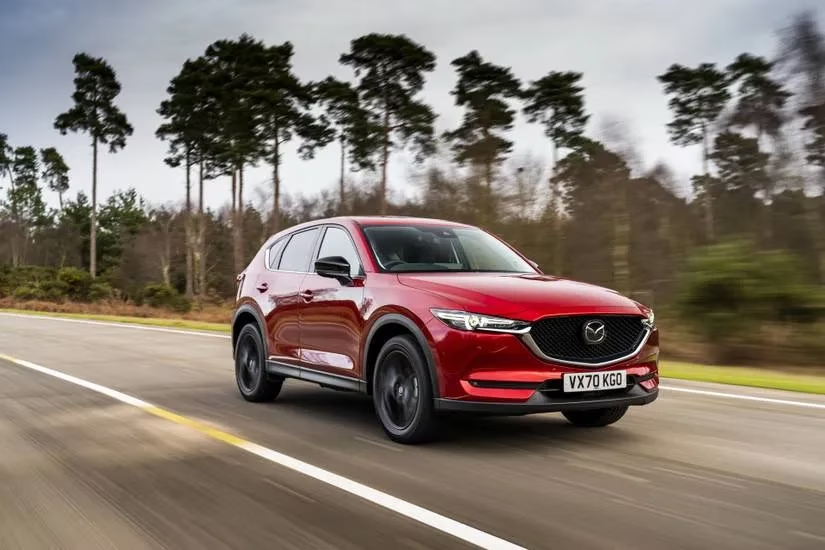
Mazda’s first-place finish was not a fluke in the 2021 ranking. For years, the brand had been building cars that felt finished beyond their price point, and the CX-5 took the number one rank for the compact SUV class. Mazda’s advantage was never just one heroic model. It was a habit: thoughtful interiors, satisfying steering, and safety equipment that did not feel like an afterthought. Brand reputation is a slow-cooked stew, not a microwave dinner: one bad ingredient can sour the pot, but consistent care builds depth. In 2026, that lesson still holds. A shopper comparing compact crossovers may find newer rivals with flashier screens, but Mazda’s core reputation for finish quality and driving polish remains a meaningful baseline.
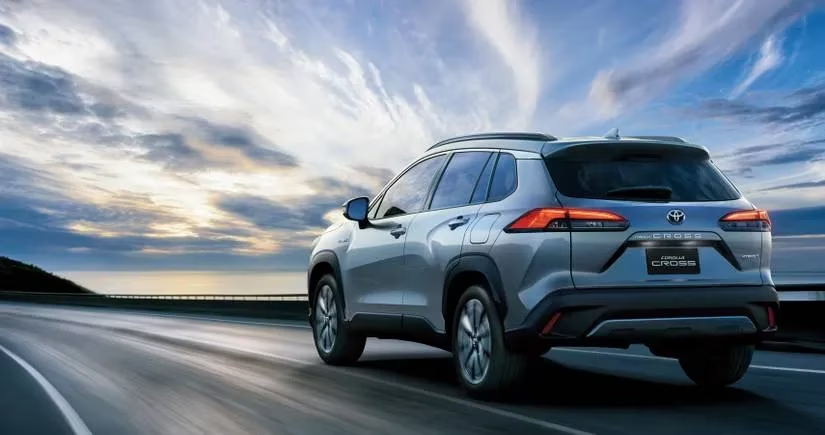
Toyota’s position was equally telling. The brand had been hit harder than most by the Takata airbag crisis, yet it never really lost its grip on the top tier. Its cars have long been described as appliance-like, and that is not entirely fair, but the stereotype exists for a reason. The Corolla and Prius are not machines that make pulses race. They are machines that make commutes forgettable in the best possible way. The 2022 Corolla Cross shown in the reference material is a useful reminder of Toyota’s formula: muted styling, average performance, and a reliability record that keeps buyers coming back. In 2026, Toyota remains a benchmark for low-drama ownership, even if enthusiasts still wish for more spark.
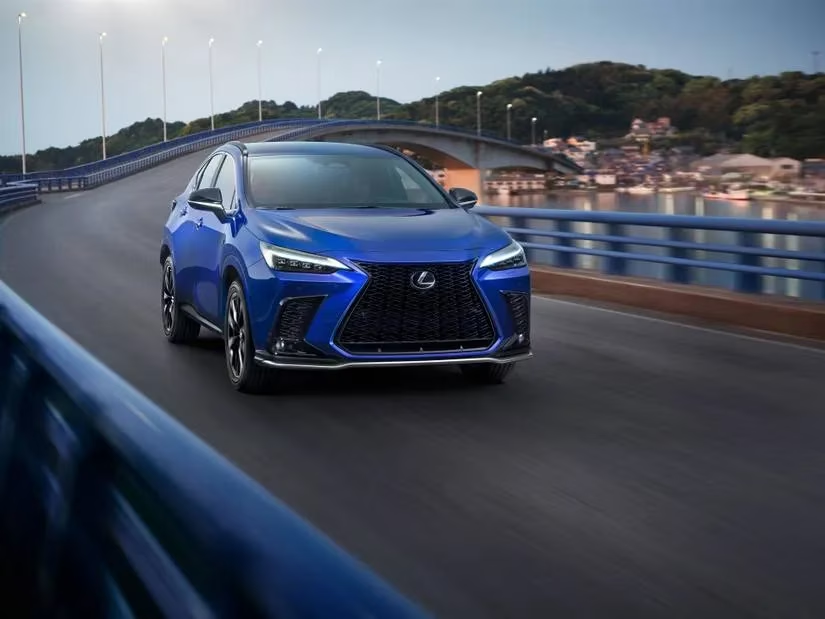
Lexus found itself knocked off its throne in the 2021 list, dragged down by issues with its LS sedans. That was a rare stumble for a brand that had built an almost mythic reputation for dependability. The NX SUV more than made up for it by taking the crown for the most reliable SUV on the market. The lesson is not that Lexus became fragile overnight. It is that even the strongest reputations are model-specific. A flagship sedan with complex systems can create headaches that a simpler, well-executed SUV avoids. By 2026, that distinction matters more than ever, because buyers are increasingly comparing not just brands but individual powertrains, software platforms, and model-year changes.
Porsche kept its place as the highest-ranked European brand, even after slipping a few spots due to faulty infotainment systems. The 911 had been the most reliable performance car for three years running, which is an achievement that sounds almost contradictory. High-performance machines are supposed to be temperamental, yet the 911 has long been the exception. It helps that Porsche’s engineering culture treats durability as part of performance, not as a separate virtue. The infotainment issues are a modern warning sign: in 2026, a car can have a bulletproof engine and still frustrate owners through glitchy screens and laggy software.
The surprises that made the list interesting
Honda made the top five again, which surprised almost no one. The CR-V and HR-V kept the brand high in the rankings, even though some of its vehicles had cropped up with issues. Honda’s reputation is built on practical engineering, strong resale value, and a deep bench of sensible models. Subaru, meanwhile, continued to trade on pragmatism. The Forester and Outback are arguably the most pragmatic cars around, offering the space and comfort that small families actually need. Subaru’s image may be more rugged than glamorous, but dependability has always been part of its mantra. The brand is a bit like a well-worn hiking boot: not fashionable at a dinner party, but reliable when the trail turns muddy.
Buick was the genuine eyebrow-raiser. For years, the brand had been dogged by common GM-related quality complaints, especially given its premium positioning. Yet the Encore helped push Buick into the top five in the 2021 ranking. That result did not erase the brand’s history, but it showed how a single strong model can lift a broader reputation. Hyundai landed in sixth place, which was surprising given the enormous recall numbers in recent years. The Kona EV and other reliable models seemed to drag the weaker entries up the scale. In 2026, Hyundai’s story is a reminder that electrification can amplify both engineering strengths and complexity risks.
Dodge and Ram rounded out the American story. A couple of years before that ranking, the FCA group had been nowhere near the top and was heavily criticized for below-par products. After the FCA/PSA merger, the Challenger in particular helped Dodge climb the rankings. The Ram 1500 led the pickup charge and stood up to its initial positive reviews, even though the brand had seen several recalls. That is not a contradiction so much as a lesson in how reliability works in the real world: a strong record on the models that matter can outweigh a noisy recall history, at least in the eyes of buyers.
| Signal from the 2021 list | Standout model | What 2026 shoppers can take away |
|---|---|---|
| 🥇 Overall top spot | Mazda CX-5 | Finish quality and driving polish can coexist with dependability |
| 🛡️ Consistent top-tier presence | Toyota Corolla / Prius | Low-drama engineering still has enormous value |
| 🏆 Most reliable SUV | Lexus NX | Model-specific records beat brand myths |
| 🏎️ Performance outlier | Porsche 911 | Speed does not have to mean fragility |
| 🚙 Pickup benchmark | Ram 1500 | Popular trucks can still post strong reliability records |
| ⚡ Surprise EV entry | Hyundai Kona EV | Electrification adds complexity, not automatic failure |
By 2026, the smartest way to use an older reliability ranking is to treat it as a starting point, not a verdict. A shopper should ask three separate questions: Is the model’s basic engineering sound? Has the brand handled recalls and warranty claims well? Does the specific model year avoid first-year technology traps? The 2021 list suggests that Mazda, Toyota, Lexus, Porsche, Honda, Subaru, Buick, Hyundai, Dodge, and Ram all had something to teach. Some taught through consistency. Others taught through surprise. The common thread is that reliability is not a single score. It is a relationship between engineering discipline, customer service, and the willingness to fix what breaks.
That is the real takeaway for drivers in 2026. A recall does not automatically doom a brand, and a glowing reputation does not guarantee a perfect ownership experience. The car industry is still full of humans, software, and supply chains that can wobble. The brands that earn trust are the ones that treat every mistake as a chance to prove how seriously they take the people behind the wheel.
Leave a Comment
Comments