
My Journey Through 10 Reliable Entry-Level Sports Cars for 2026
I’ve always believed that a reliable used sports car is like a well-worn leather jacket—it molds to your shape, never asks for a fortune in alterations, and only gets more comfortable with time. As a gearhead in 2026, I still chase that need for speed, but I’ve learned that splurging on a brand-new rocket ship isn’t the only way in. The used market is full of entry-level sports cars that deliver thrills without financial whiplash. Below are ten models I’d happily recommend to anyone stepping into the enthusiast world today, based on their reliability reputations, parts availability, and community support.
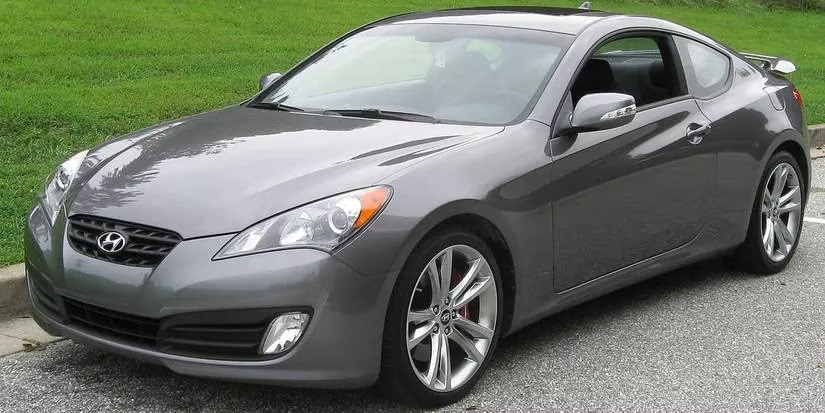
1. Hyundai Genesis Coupe (2008–2016) 🚗
I remember the Genesis Coupe as Hyundai’s first real swing at a rear-wheel-drive sports car, and it landed with surprising force. The 2010 model’s 2.0-liter inline-four produced 210 horsepower and 223 lb-ft of torque, paired with a five-speed shiftable automatic. In 2026, clean examples are still affordable, and the aftermarket has matured. Watch for abused drift missiles, but a stock one is a sturdy companion.
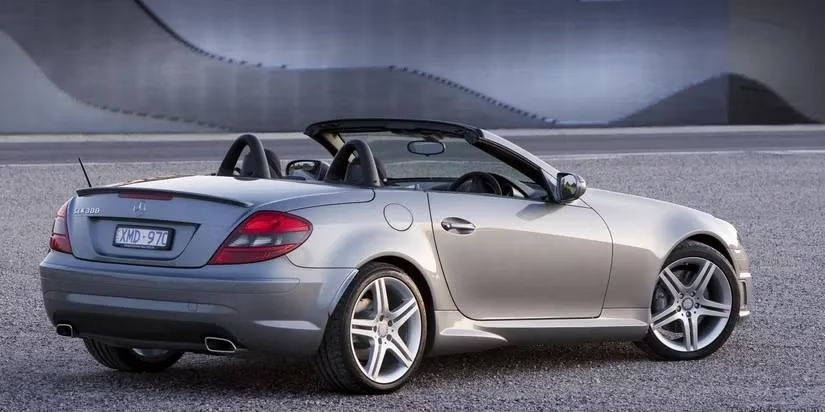
2. Mercedes-Benz SLK300 (2010) 💨
The SLK300 is what I call a feisty baby Merc—a compact roadster with a 226-horsepower V6 that hits 60 mph in about 6.1 seconds. It’s not a track weapon, but it’s a flexible, comfortable entry point. In 2026, the SLK/SLC line is discontinued, but well-kept 2010 models remain. Parts are pricier than Japanese rivals, so a pre-purchase inspection is non-negotiable.
3. Ford Mustang (2003) 🐎
The 2003 Mustang is a beautiful blend of retro and modern. Its 3.8-liter V6 pushed 193 horsepower to the rear wheels. I’ve always thought of it as a trusty pocket knife—simple, familiar, and ready for everyday use. In 2026, the SN-95 generation has a strong following, and parts are everywhere. Just avoid heavily modified examples and check for rust in the usual places.
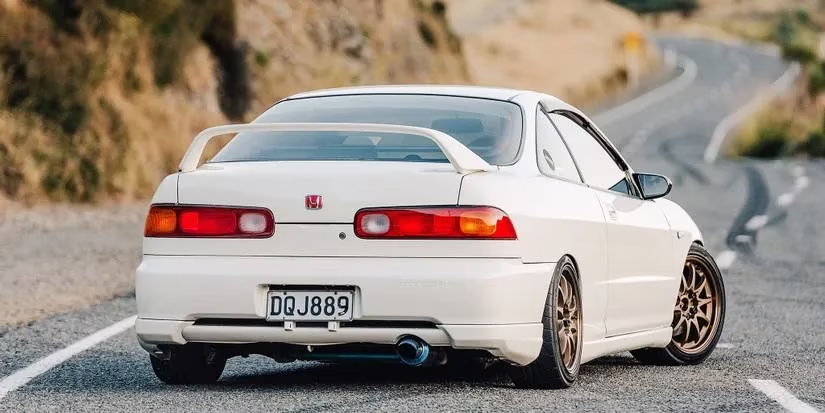
4. Honda Integra Type R (1995–2001) 🔧
This Japanese icon is a scalpel in a world of butter knives; it carves corners with surgical precision. The Integra Type R has proven reliable despite its high-revving nature, and its lightweight chassis rewards smooth inputs. As of 2026, values have climbed, but a well-maintained example is still a smart buy for someone who wants to learn track craft without breaking down.
5. BMW 2-Series (F22) 🛠️
Getting into a brand-new BMW sports car as a novice is like learning to swim in the deep end. The 2-Series is a better first step—reliable when cared for, beautiful, and engaging. Avoid the N20 and N26 engines if you prioritize bulletproof reliability; the later B48 and B58 units are stronger. In 2026, early F22 models are reasonably priced, but maintenance records matter more than mileage.
6. Audi TT (2001) 🌀
The 2001 Audi TT is fun, reliable, and properly sorted. Its 1.8-liter inline-four made 225 horsepower and 207 lb-ft of torque, routed through all-wheel drive. I think of it as a stylish hiking boot—capable in all weather and comfortable enough for daily duty. In 2026, the Mk1 TT has a dedicated community, and parts are still available, though electrical gremlins can appear.
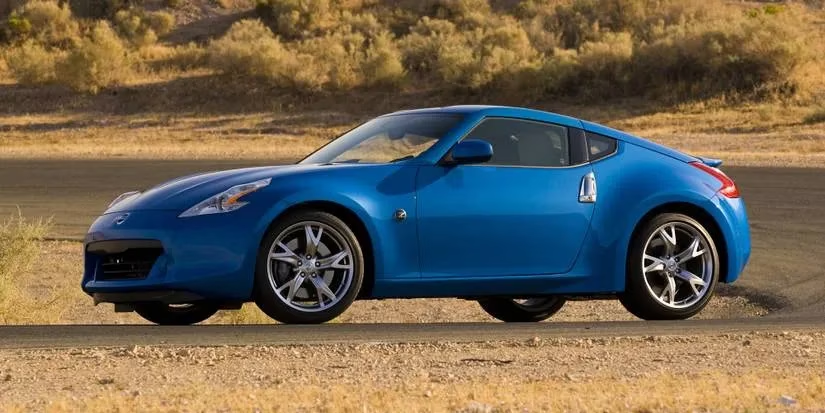
7. Nissan 370Z (2011) ⚡
Nissan’s 370Z is a roaring V6 coupe with 332 horsepower and a reputation for toughness. It’s the kind of car that feels like a reliable power tool—always ready, never fussy. As of 2026, the 370Z is aging but remains a bargain. Check for clutch wear on manual models and inspect the rear hatch for water leaks.
8. Subaru BRZ (2014) 🏔️
The BRZ, a Toyota-Subaru collaboration, is often overlooked but brilliant. Its 2.0-liter flat-four made 200 horsepower and 151 lb-ft of torque. I’ve always seen it as a mountain goat—sure-footed, modest, and happy to climb. In 2026, first-gen BRZs are affordable, but watch for valve spring recalls and modified examples.
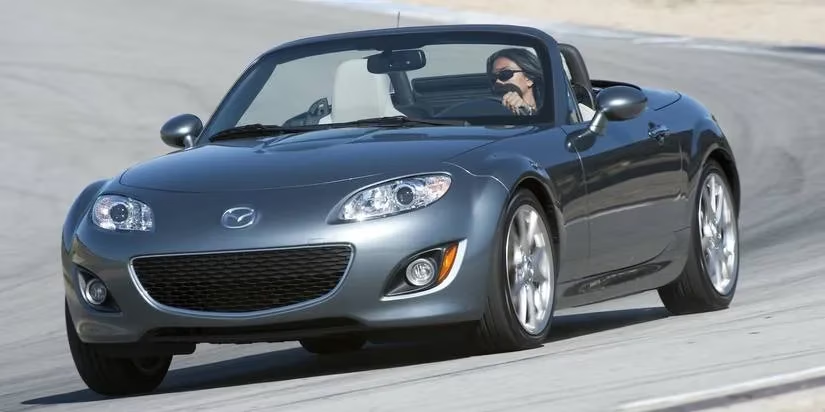
9. Mazda MX-5 Miata (2013) 🌞
The Miata is like a dance partner who follows your lead without a misstep—light, predictable, and endlessly forgiving. The 2013 model’s 2.0-liter four-cylinder delivered 181 horsepower and 151 lb-ft. It’s the gold standard for beginners. In 2026, the NC-generation Miata remains cheap to run, easy to wrench on, and supported by the largest enthusiast community on the planet.
10. Chevrolet Corvette C5 (1997–2004) 🏁
Chevy’s C5 Corvette is a 5.7-liter V8 bargain with 345 horsepower and 350 lb-ft of torque. It’s a sledgehammer wrapped in fiberglass—simple, brutal, and surprisingly reliable. In 2026, clean C5s are appreciating, but they’re still accessible. Watch for electrical issues and worn suspension bushings.
Quick Comparison Table 📊
| Car | Engine | Power | Torque | Drive |
|---|---|---|---|---|
| Hyundai Genesis Coupe | 2.0L I4 | 210 hp | 223 lb-ft | RWD |
| Mercedes SLK300 | V6 | 226 hp | — | RWD |
| Ford Mustang (2003) | 3.8L V6 | 193 hp | — | RWD |
| Honda Integra Type R | I4 | — | — | FWD |
| BMW 2-Series | Various | — | — | RWD |
| Audi TT (2001) | 1.8L I4 | 225 hp | 207 lb-ft | AWD |
| Nissan 370Z (2011) | V6 | 332 hp | — | RWD |
| Subaru BRZ (2014) | 2.0L F4 | 200 hp | 151 lb-ft | RWD |
| Mazda MX-5 Miata (2013) | 2.0L I4 | 181 hp | 151 lb-ft | RWD |
| Chevrolet Corvette C5 | 5.7L V8 | 345 hp | 350 lb-ft | RWD |
In 2026, the key to buying any of these is patience and a pre-purchase inspection. Reliable entry-level sports cars are out there—you just need to choose one that fits your skills, budget, and willingness to turn a wrench. For me, the Miata remains the safest bet, but the Corvette C5 is the one that still makes my pulse quicken. Drive smart, and enjoy the journey. 🏎️
Leave a Comment
Comments