
Japanese Reliability vs European Drama: Ten Sports Cars That Define the Debate
The dream of owning a sports car often arrives with a simple promise: freedom, speed, and weekend drives. In reality, that promise can collapse the first time a specialty mechanic delivers a repair estimate. The long-running debate between Japanese Domestic Market fans and European-car loyalists is partly about style, heritage, and badge appeal, but it is also about whether the car starts every morning. In 2026, as collectible sports cars become more expensive to maintain, that question matters more than ever.
The original comparison is blunt: five Japanese sports cars are celebrated for long-term dependability, while five European models are remembered for turning ownership into a repair-shop relationship. The contrast is not universal, and many European machines are robust when maintained properly. Still, the list illustrates why so many enthusiasts trust Japanese engineering when reliability is the priority.
The Japanese Case for Trust
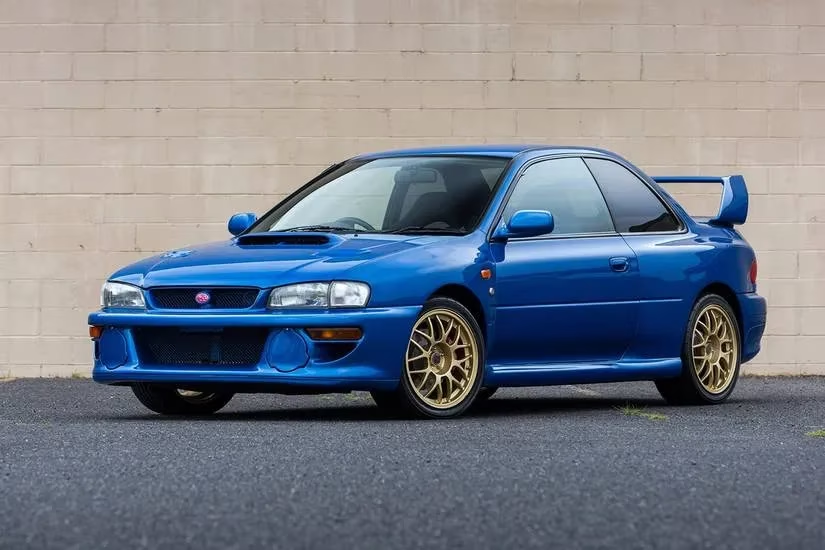
The Subaru Impreza WRX STI 22B sits near the top of that argument. Subaru built the car for a limited run to celebrate rally success and its 40th anniversary, and only a little over 400 examples were produced. The 22B demonstrated how well-built and powerful an authentic rally-inspired Subaru could be. Its rarity now pushes values toward roughly $400,000, but its reputation rests on more than collector hype.
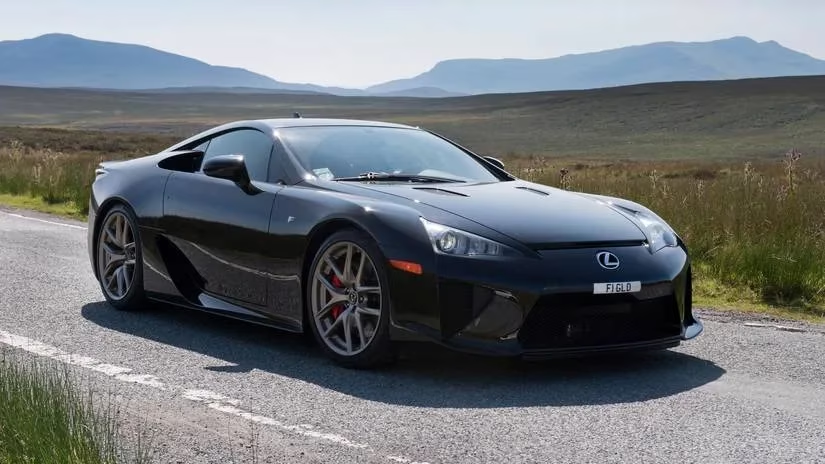
The Lexus LFA represents a different kind of Japanese achievement. Its appearance initially divided opinion, but the car silenced critics once it started moving. A well-tuned V10, a screaming exhaust note, and advanced technology made it a must-have for collectors. Lexus eventually discontinued the LFA because production costs were extremely high, yet the car remains a symbol of meticulous engineering.
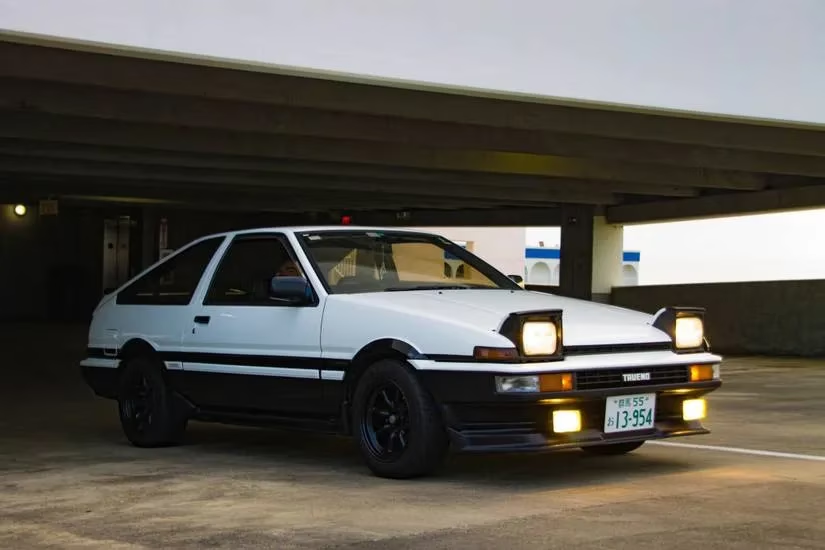
Then there is the Toyota Corolla AE86, a cult classic that transcends its Initial D fame. The AE86 is often described as a brick house, with examples capable of running for hundreds of thousands of miles. Its drifting appeal and affordable entry point have kept it relevant decades after production ended.
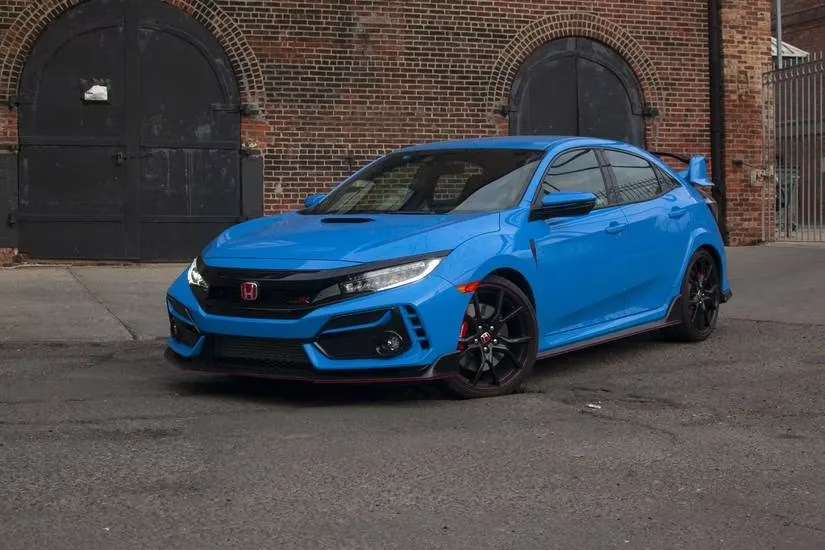
The 2017 to 2021 Honda Civic Type R added modern performance to the reliability story. As a Honda, its long-term dependability is widely expected. More impressively, it set a 2017 Nurburgring Nordschleife record for the fastest front-wheel-drive car. That record was broken in 2019, but the Type R remains a front-wheel-drive benchmark.
Finally, the Mark IV Toyota Supra A80 needs little introduction. It is powerful, striking, and highly modifiable, with build quality that has become part of Toyota lore. Enthusiasts have long celebrated its ability to be tuned into a machine capable of challenging far more expensive supercars.
| Model | Reputation | 2026 ownership note |
|---|---|---|
| Subaru 22B | Rally-bred rarity | Values remain extreme; parts are scarce |
| Lexus LFA | V10 engineering showcase | Costly to service, but deeply respected |
| Toyota AE86 | Durable drift icon | Rust and modification history matter |
| Honda Civic Type R | FWD track star | Strong parts network and daily usability |
| Toyota Supra MKIV | Tuner legend | Clean examples command serious premiums |
The European Repair Bill
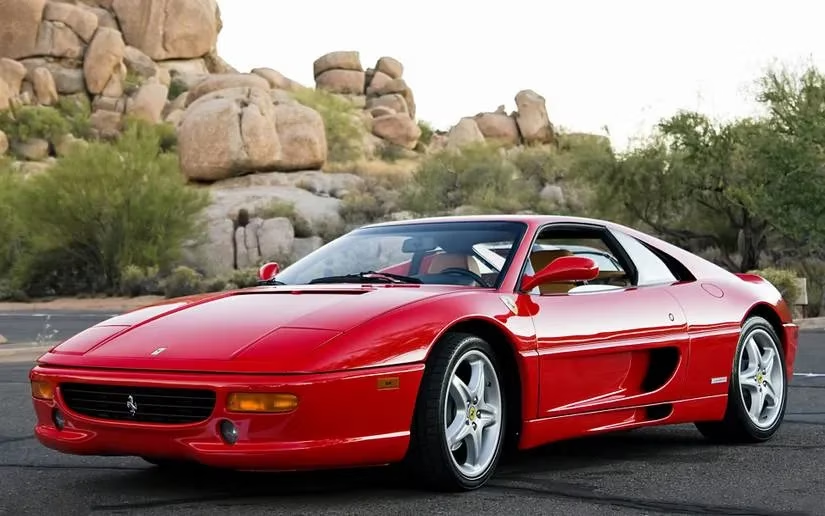
The European side of the comparison begins with the Ferrari F355 Berlinetta. Its looks and sound are unmistakable, but owners have reported a continual stream of mechanical issues, ranging from oil leaks to full engine rebuilds. For a Ferrari, the badge and soundtrack are not always enough to offset the cost of repeated repairs.
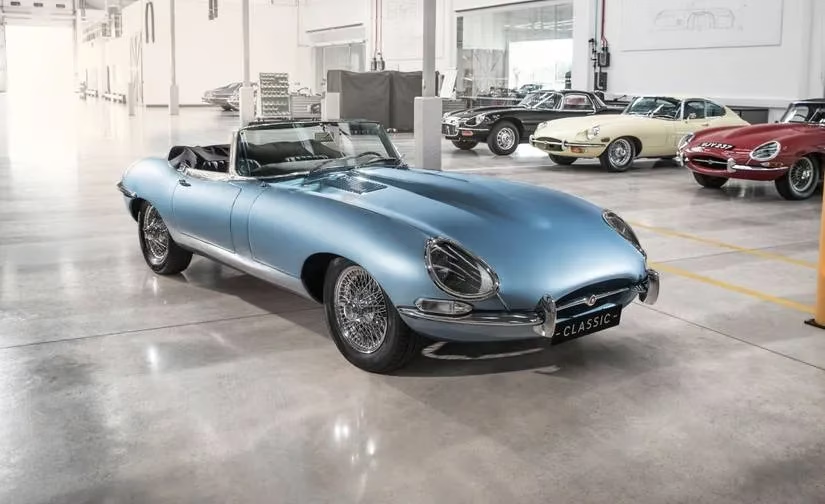
The Jaguar E-Type is the anomaly: a car that became a fan favorite despite a reputation for unreliability. Owners of 1960s examples have long discussed broken ignitions, failed starts, breakdowns, and blown motors. Top Gear host Jeremy Clarkson even mocked the E-Type's inconsistent starter electric system during a fifty-year anniversary tribute. AMC's Mad Men also hinted at the same problem in a much darker fictional scenario.
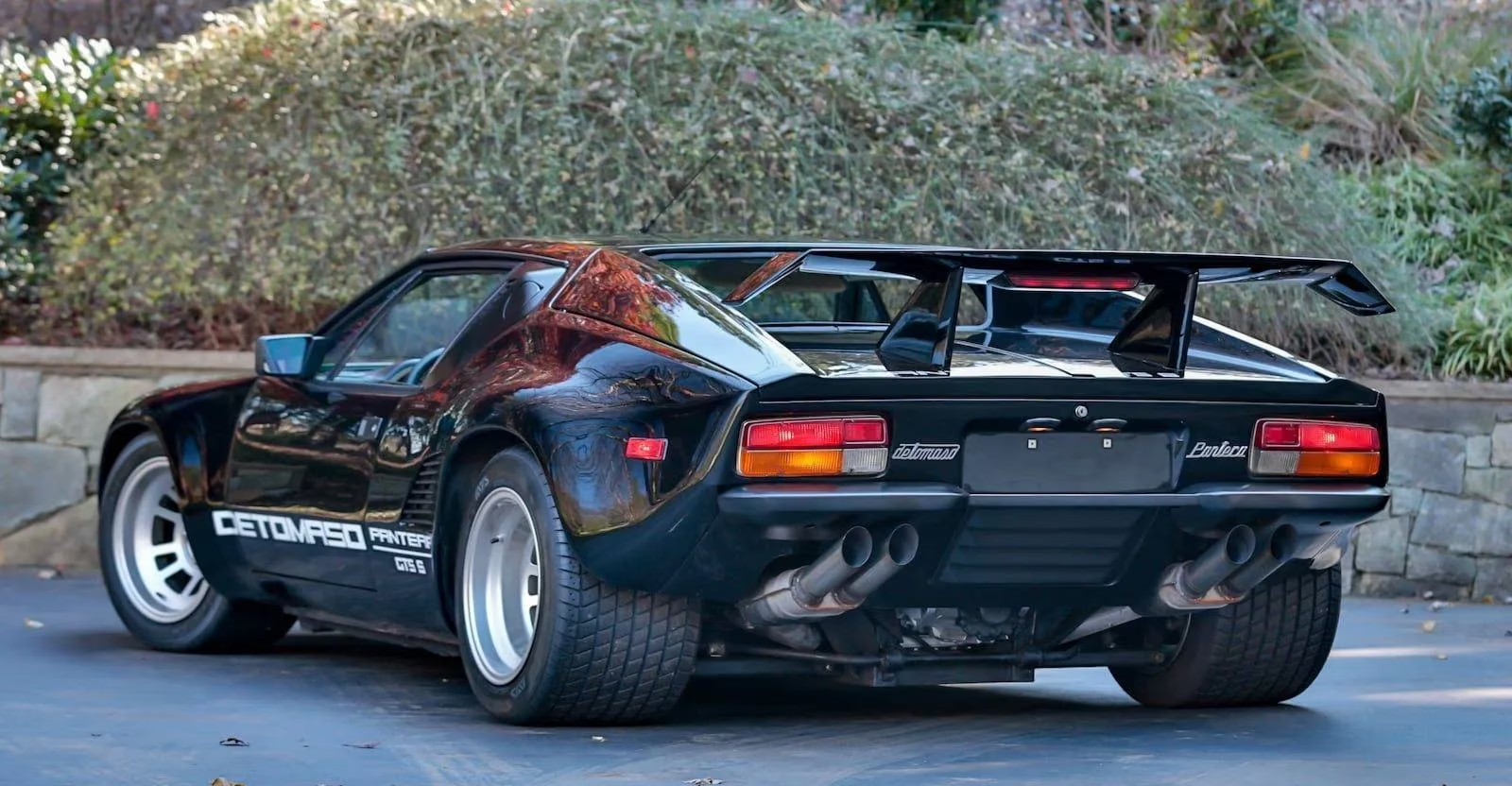
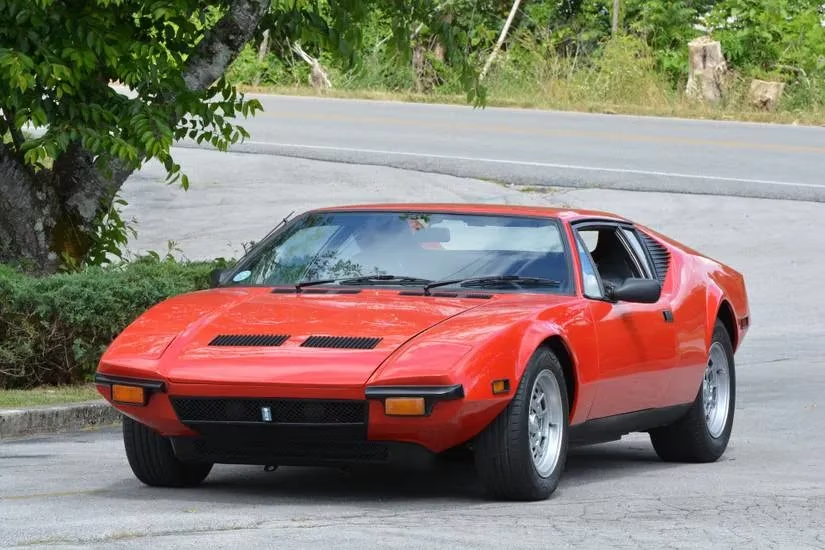
The De Tomaso Pantera fought for space in a market dominated by Ferrari, Lamborghini, and Pagani. It may have received a rough deal from the car community, but it was flawed. Stalling, oil leaks, and overheating were common complaints, and those issues are especially unwelcome in a costly supercar.
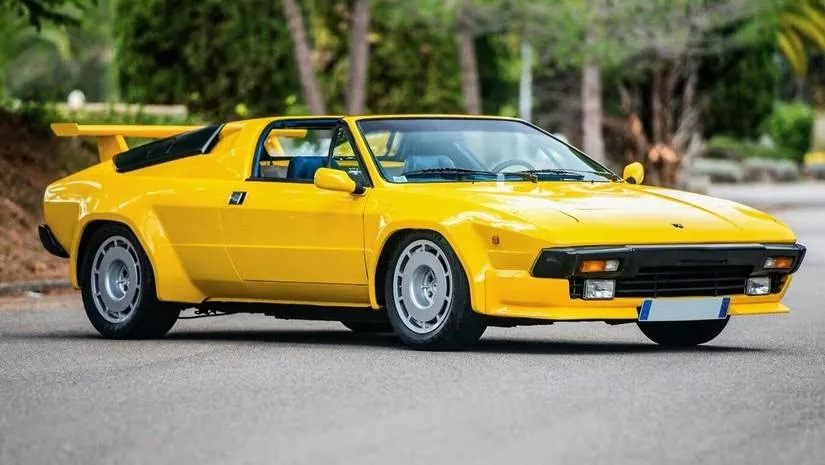
The Lamborghini Jalpa is another obscure classic with a difficult reputation. It was stereotypically a maintenance nightmare, and it was also slow for its class. A decent 3.5-liter V8 still needed more than six seconds to reach 60 mph, which weakened its case against rivals.
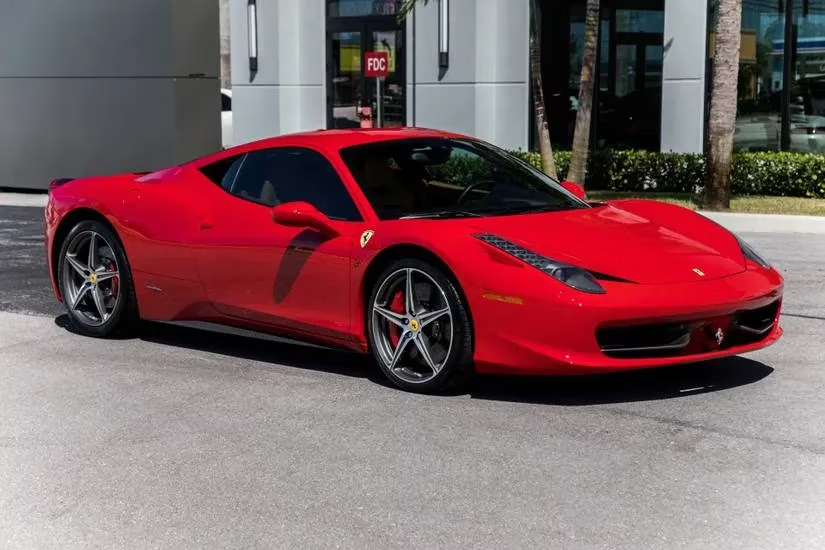
The Ferrari 458 Italia and Spider complete the cautionary list. Beyond complicated and expensive maintenance, the 458 developed a reputation for catching fire. It did not happen in every case, but it happened often enough to concern buyers of a car with an original MSRP around a quarter of a million dollars.
What the Debate Gets Right
The comparison is not a declaration that every Japanese car is flawless or that every European car is fragile. It is a reminder that reputation, maintenance history, parts availability, and specialist support matter. In 2026, buyers are increasingly paying for documented service records and sensible ownership costs, not just badge prestige. For enthusiasts who want to drive rather than constantly tow, the Japanese examples make a persuasive case. For those who accept the drama, the European icons still offer charisma that few machines can match. 🚗
As detailed by GamesIndustry.biz, long-term value in enthusiast markets often depends less on headline performance and more on ownership realities such as service support, parts supply, and buyer confidence, which closely mirrors the Japanese-versus-European sports car debate where dependable engineering can preserve desirability just as effectively as heritage or prestige.
Leave a Comment
Comments