
10 Reliable Sports Cars I’d Still Trust in 2026, Wrench in Hand
Look, I get it. A reliable sports car sounds like a unicorn wearing a tool belt. I have watched owners curse a car that was quietly begging for an oil change, a fresh set of bushings, and maybe a brake fluid flush. In 2026, with used prices doing gymnastics and every other headline shouting about EVs, a dependable analog sports car feels like a warm hoodie. The secret is not magic: fluids, brakes, bushings, cooling, and a pre-purchase inspection. Here are ten sports cars I would still trust in 2026, wrench in hand and grin intact.
| 🏁 Car | Why I trust it | 2026 reality check |
|---|---|---|
| Nissan 240SX | Simple, chain-driven, tough rear end | Clean cars are drift-taxed; modified ones are a gamble |
| Mazda MX-5 Miata | Light, simple, cheap fixes | Rust and neglected cooling are the real enemies |
| Honda Integra Type R | Honda-grade engine and gearbox | Theft and modified examples are the headache |
| Chevrolet Corvette C5/C6 | LS pushrod V8 sturdiness | C5 is the bargain; C6 needs a careful look |
| Lotus Elise | Toyota power in a featherweight body | Collector pricing and aluminum-chassis checks |
| Toyota 86/GR86 | Honest boxer engine, RWD fun | Avoid silly mods and tired clutches |
| Ford Mustang | Simple V8 and manual formula | Skip the earliest years of each generation |
| BMW 2 Series | Overbuilt drivetrain | Avoid pre-2015 N20/N26 timing-chain cars |
| Nissan 370Z | Solid V6, old-school feel | Add cooling help; check the clutch slave cylinder |
| Hyundai Genesis Coupe | RWD, manual, underrated | Choose the 3.8 V6 over the 2.0 turbo |
1. Nissan 240SX — the low-maintenance roommate
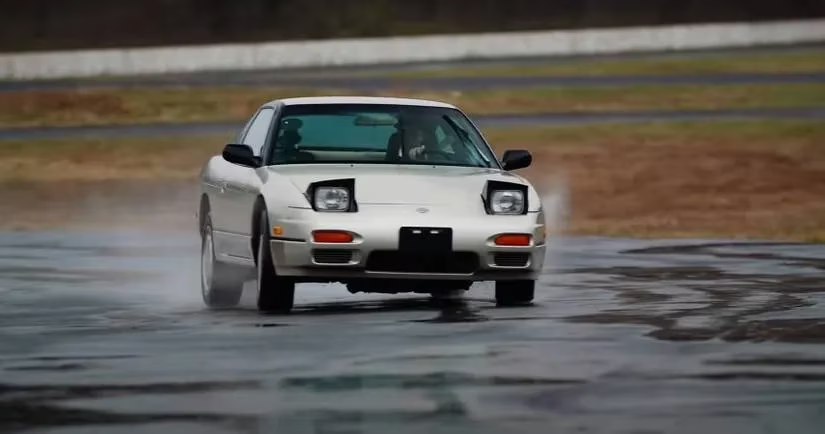
The 240SX is the friend who shows up in flip-flops and somehow fixes your sink. Early North American cars from 1989 to 1990 used the single-overhead-cam KA24E, an engine that needs very little attention to keep going. The later dual-overhead-cam version is still chain-driven, so I am not losing sleep over a timing belt. The rear end can take more power than the factory gave it, which is why every drift kid wants one. In 2026, the problem is not reliability; it is finding an unmodified car that has not been through three owners and a parking-lot rebuild.
2. Mazda MX-5 Miata — the golden retriever
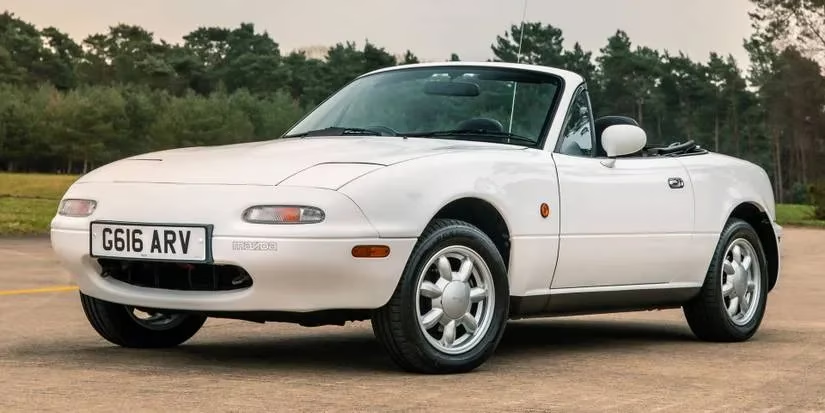
Here is the thing: the Miata wants to be your buddy. The NA generation used a non-interference belt engine, so a snapped belt was annoying rather than catastrophic. The NC moved to a timing chain. Owners across generations report few major issues, though NA cars can nibble at you with slave-cylinder failures, brittle plastic radiator end tanks, and a valve-cover gasket that leaks oil like a sad little teapot. All are cheap fixes. In 2026, I would check rocker panels and rear arches for rust before I check the paint shine. A rusty Miata is still cheerful; it is just cheerful with a hole in it.
3. Honda Integra Type R — the track-bred honor student
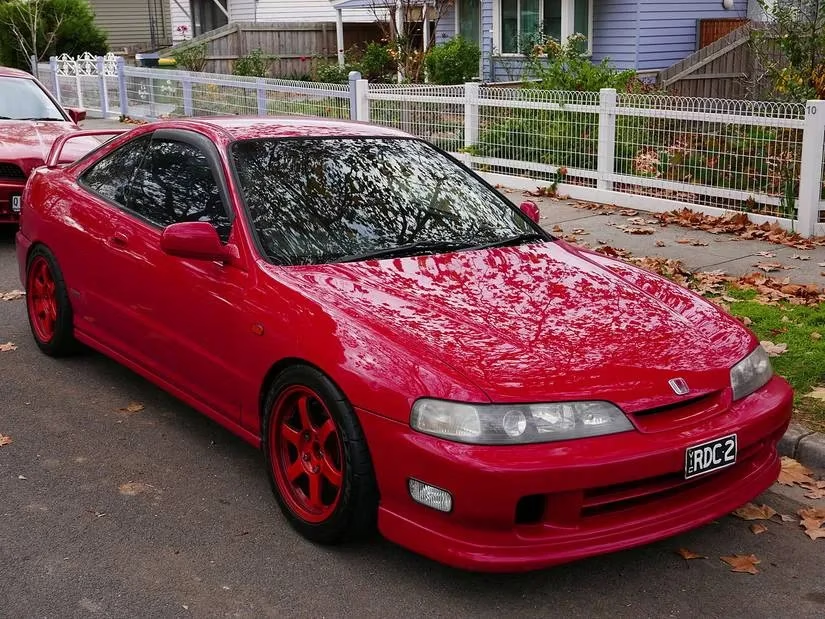
The DC2 Type R was developed on Japanese tracks, which usually means a car has been given a hard life and a clipboard. Somehow, it still earned a reputation for reliability. That giant H badge is not just decoration; the engine and gearbox are the sort of Honda hardware that makes mechanics shrug and say, yep, sounds fine. The common problems are not mechanical. These cars get stolen, and used examples are often modified within an inch of their lives. In 2026, a clean, unmodified Type R is collector money. I would rather pay for honesty than inherit someone else's science project.
4. Chevrolet Corvette C5/C6 — the gym bro who does cardio
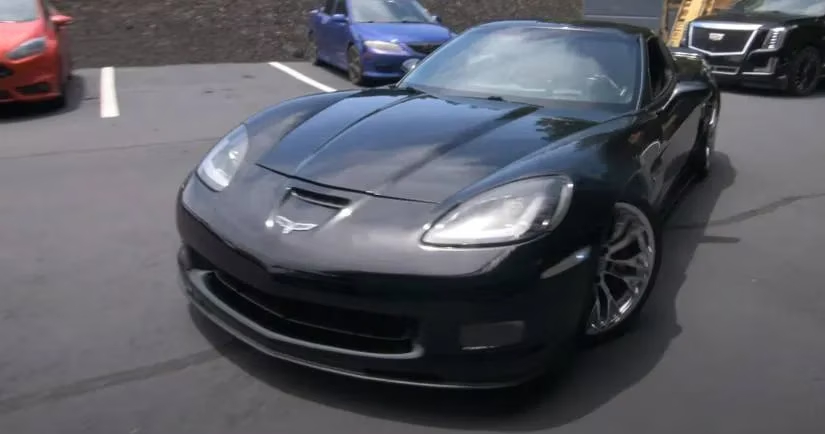
The Corvette has changed a lot over the years, but the C5 and C6 are where the LS pushrod V8 story gets deliciously stout. The C4 had its transmission and electrical moods; the C5 hit its stride. Car and Driver took a C6 through 968 miles of grim northern conditions, which is the automotive equivalent of making a gym bro do a polar plunge. In 2026, the C5 is still the value pick, while C6 prices have been firming up. Check tires, fluids, and whether the car has been sitting long enough to grow a small civilization in the fuel tank.
5. Lotus Elise — the caffeinated featherweight
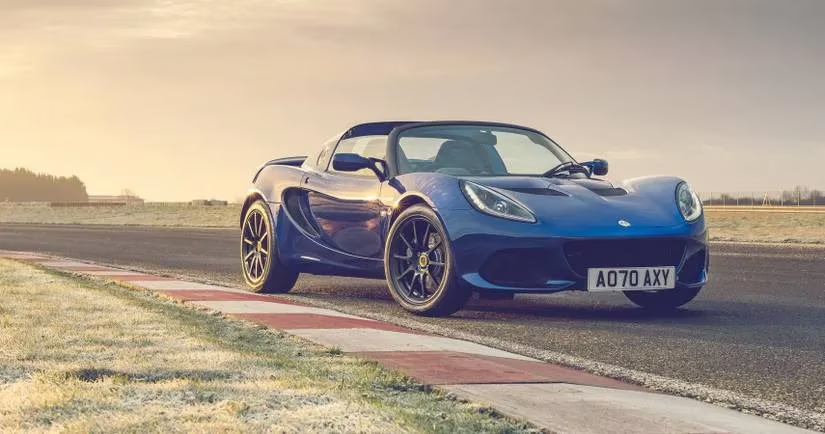
The Elise is tricky to pin down because model year and market matter. The second-generation North American car used a Toyota powertrain, and that is the one I would trust. A 1.8-liter dual-overhead-cam engine made 190 horsepower in a car weighing less than 2,000 pounds, which is like giving a squirrel espresso and a skateboard. It used to be cheap; in 2026, clean examples are collector-adjacent. The chassis is still a handling benchmark, but aluminum does not forgive neglect. I would inspect crash history, suspension, and any signs that the car has been used as a science experiment.
6. Toyota 86/GR86 — the puppy with a redline
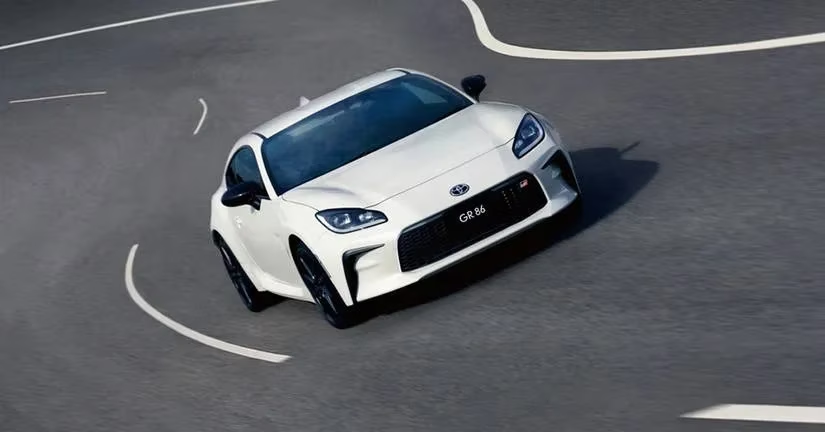
The 86 is already a staple sports car, and the GR86 keeps the flame alive. Rear-wheel drive, light feet, a two-seat cabin, and steering that talks to you like a good co-driver. The old complaint is that 205 horsepower from the 2.0-liter naturally aspirated boxer-four requires a trip to redline. Fine by me. Canyon carving is not a drag race. In 2026, the GR86 is the current toy, while earlier 86 cars are used-market candy. Avoid heavily modified examples, tired clutches, and anything with a wing bigger than the owner's ambitions.
7. Ford Mustang — the big friendly lab
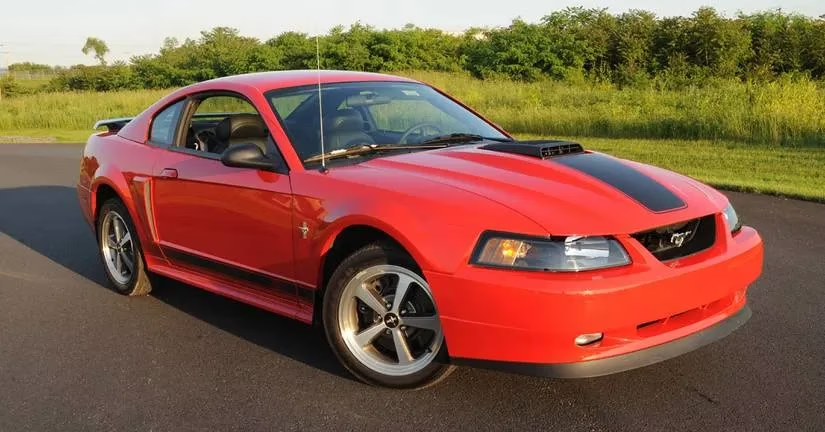
The Mustang has been around for almost six decades, and like a big friendly lab, it has had a few accidents in the kitchen. Some model years had slipping transmissions and spark plugs popping out of cylinder heads. The early years of each generation are best avoided; for example, the SN95 transmission issue was not fully sorted until 2002. But the core formula is simple: cheap performance, reliable V8s, manual transmissions, and a rear axle that loves a corner exit. In 2026, the S650 exists, but I am perfectly happy shopping the proven used stuff. Just skip the basket cases.
8. BMW 2 Series — the German engineer in sneakers
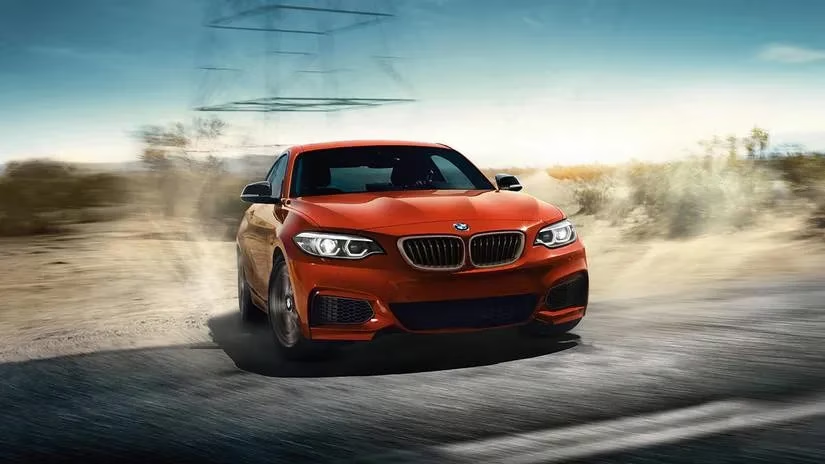
German cars get roasted for reliability, but the 2 Series makes a strong counterargument. Its drivetrain is overbuilt in the way a German engineer overbuilds a coffee grinder. J.D. Power cited great quality and reliability for 2020 2 Series models, verified across hundreds of thousands of owners. The caveat is the pre-2015 N20 and N26 engines, which had timing-chain issues. BMW redesigned the chain later. In 2026, I would hunt a well-documented car with service records and avoid the cheapest turbo four on the lot. Cheap German luxury is a haunted house with leather seats.
9. Nissan 370Z — the stubborn marathoner
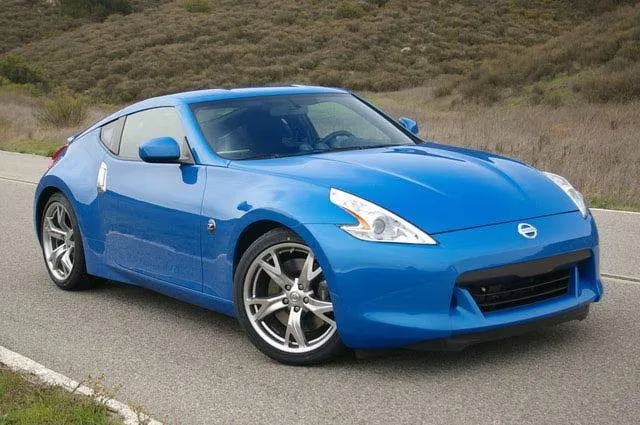
The 370Z is reportedly uninspired until you drive one and realize the engine is solid and the chassis has old-school manners. Owners give it strong reliability marks. It does have quirks: the cooling system can be subpar on track, so an oil cooler is a sensible upgrade. When temperatures climb, the ECU pulls power to protect the engine, which is annoying but better than a piston-shaped paperweight. The plastic clutch slave cylinder can crack and leak. In 2026, the newer Z exists, but the 370Z remains a used bargain. Check for track abuse and listen for differential whine.
10. Hyundai Genesis Coupe — the underrated cousin
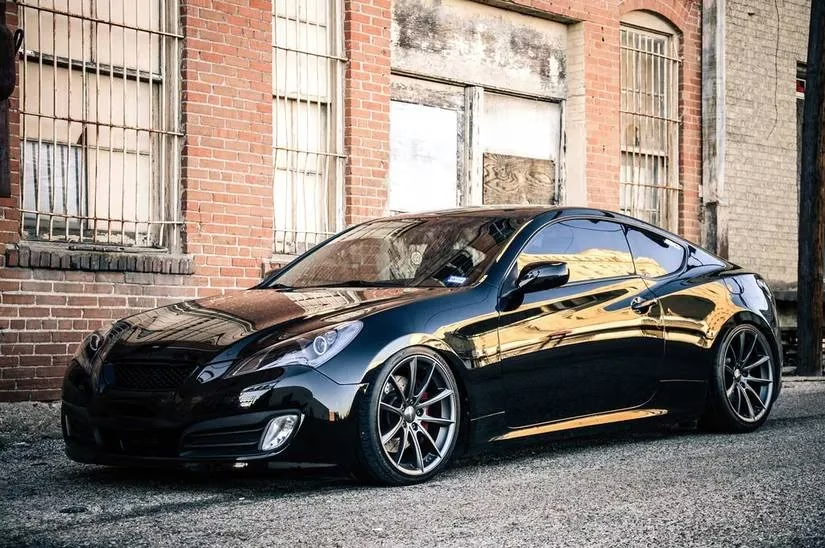
No, seriously, the Genesis Coupe deserves a seat at the table. It is rear-wheel drive, can have a manual, and offers a more comfortable cabin than the 240SX crowd. Reliability stories are mixed. Some owners report years of peace; others report engine rebuilds before the first oil-change sticker fades. The consensus is to skip the 2.0-liter turbo four and choose the 3.8-liter naturally aspirated V6. It will not shrug off abuse like a 240SX, but with proper maintenance it can last. In 2026, it is one of the cheapest ways into rear-drive manual fun. Just buy the best-maintained example, not the loudest one.
The real secret is boring, and that is the point
A reliable sports car is not a car that never asks for anything. It is a car that tells you what it needs before it throws a tantrum. Fluids, brakes, bushings, cooling, tires, and a pre-purchase inspection will save you more money than any forum argument. In 2026, parts availability for these ten is generally good, and the enthusiast community is still the best free diagnostic tool on earth. I would rather have a maintained 240SX than a neglected supercar with a fancy badge and a mysterious rattle. Give me a simple engine, a manual gearbox, and a seller with receipts. That is my kind of reliability. 🏁
Leave a Comment
Comments